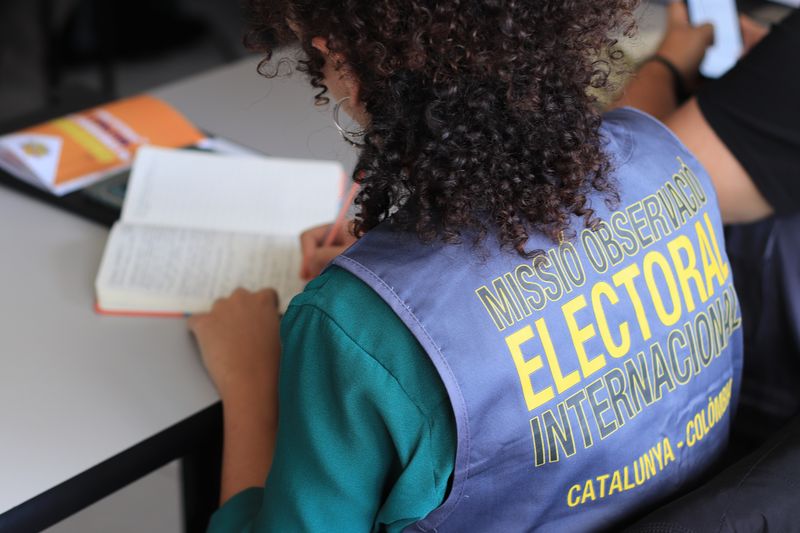
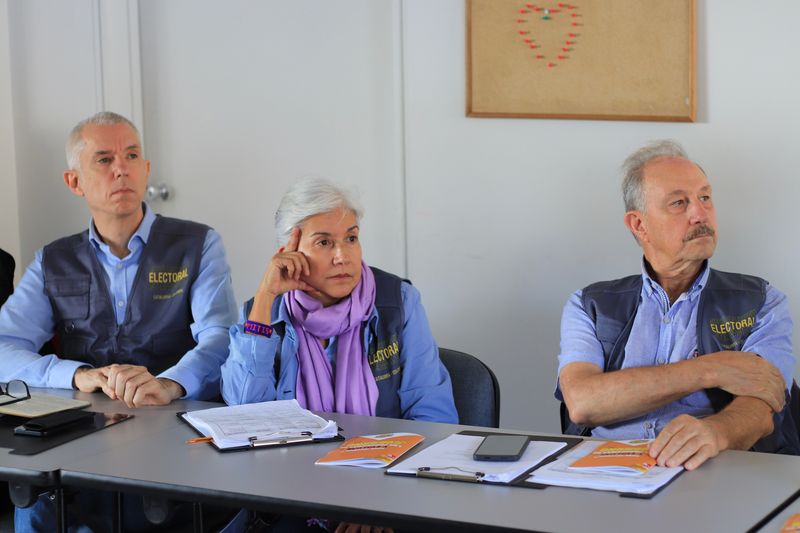
In June, a team from ICIP joined the Catalan Electoral Observation Mission (EOM), organised by Taula Catalana (Catalan Platform for Peace and Human Rights in Colombia), to monitor the second round of the Colombian presidential elections on Sunday 21 June.
The mission was made up of 27 people, including members of the Parliament of Catalonia, representatives of local governments, and members of Catalan civil society organisations and institutions, such as ICIP, committed to the defence of peace and human rights in Colombia. The Catalan Government’s delegate to the Andean States, Antoni Vicens-i-Vicens, and the representative of the Catalan Agency for Development Cooperation (ACCD) in Colombia, Javier Calderón, also took part.
The EOM operates in accordance with the United Nations electoral observation principles, based on impartiality, neutrality and respect for the work of the host country’s own institutions. Its goal was to help strengthen the guarantees of political participation in the electoral process – through human rights-based observation, an accompaniment of social actors, and direct engagement with Colombian and international institutions.
The mission follows in the footsteps of the 2022 experience, when an international electoral observation mission was deployed from Catalonia for the first time, bringing together 35 participants from a wide range of institutional and civil society backgrounds.
Deployment across the country
This time, the EOM was deployed across six regions of the country: Apartadó, Barrancabermeja, Cali, Cúcuta, Montes de María and Popayán – chosen to ensure a diverse and representative picture of how the elections unfolded across different regional contexts.
Before heading out to their respective regions, on Wednesday 17 June the group received training in the Colombian electoral system and the key aspects to monitor throughout the process, delivered by the Colombian NGO Viva la Ciudadanía.
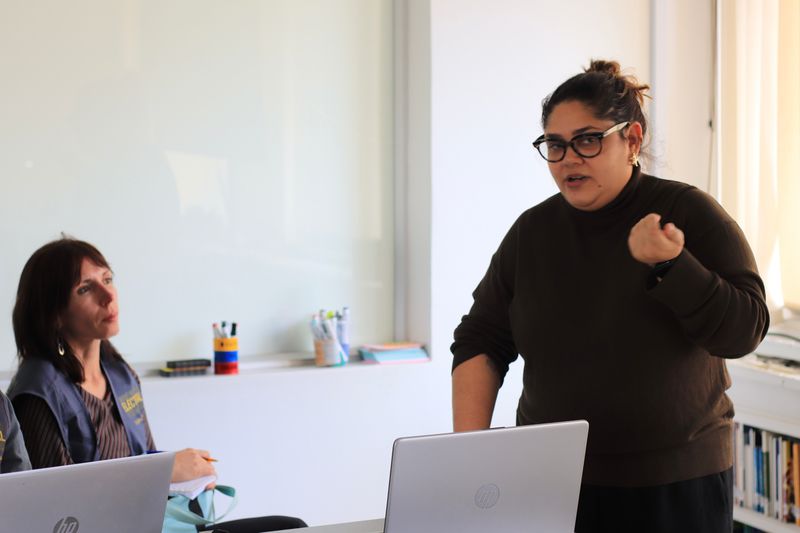
Once Election Day ended, on 22 June, the mission presented a preliminary report setting out its main findings, identified risks and recommendations for strengthening electoral guarantees – all from a human rights and gender perspective.