ICIP and CIDOB launch the “Rethinking Security in Europe” webinar series

ICIP, in collaboration with CIDOB (Barcelona Centre for International Affairs) and several European organisations, has launched the webinar series Rethinking Security in Europe — a programme of five online sessions taking place between 7 May and 3 June 2026.

The series was conceived against a backdrop of rising military spending, the war in Ukraine, the genocide in Gaza, and the reshaping of international alliances, with the aim of opening up a space for critical debate about what we mean by security today and what alternatives exist beyond strictly military responses.

The first session, held on 7 May under the title “The Militarisation of Security in Europe”, featured Mary Kaldor, professor at the London School of Economics, and Tutku Ayhan, researcher at IBEI. The conversation was moderated by Nàdia Zougagh, a law and political science student.

During the session, Mary Kaldor argued that Europe currently finds itself caught between two competing conceptions of security. The first, led by NATO, rests on military logic and nuclear deterrence; the second, rooted in the European Union tradition, is centred on the protection of people, the rule of law and human security. According to Kaldor, keeping the “war imaginary” as the organizing principle of security policy is “extremely dangerous” and diverts essential resources away from social needs.

Tutku Ayhan, for her part, argued that Europe is not simply undergoing a process of militarisation, but rather an “intensified remilitarisation” that is spreading into governance and everyday life. She pointed to the shift in the EU’s institutional language — from presenting itself as a “civilian power” to prioritising concepts such as “strategic autonomy” and “defence readiness” — and noted that this shift is reflected in major military investment programmes such as ReArm Europe.

A feminist perspective

The session also examined the impacts of militarisation through a feminist lens. Ayhan stressed that these processes are far from gender-neutral, citing the militarisation of migration policies as a case in point — with borders increasingly defined by surveillance and the framing of migrants as “security risks.”

Both Kaldor and Ayhan also challenged current budgetary priorities, warning that as military spending rises, welfare systems and humanitarian aid are being progressively eroded — including programmes linked to reproductive health and the prevention of gender-based violence.

The discussion closed with a reflection on what Ayhan described as the “military-academic-industrial complex”, referring to the growing share of funding directed towards military research, particularly in areas such as artificial intelligence and surveillance technologies. She called for greater public debate on these decisions and made the case for security models grounded in law, democracy and social protection.

The Rethinking Security in Europe series will continue over the coming weeks, tackling questions such as who defines European security, who is left out of these policies, and what alternatives to militarised approaches might look like. Sessions are held in English with simultaneous interpretation into Catalan.
ICIP participates in the Millennial Council of the Peace and Truce Assemblies

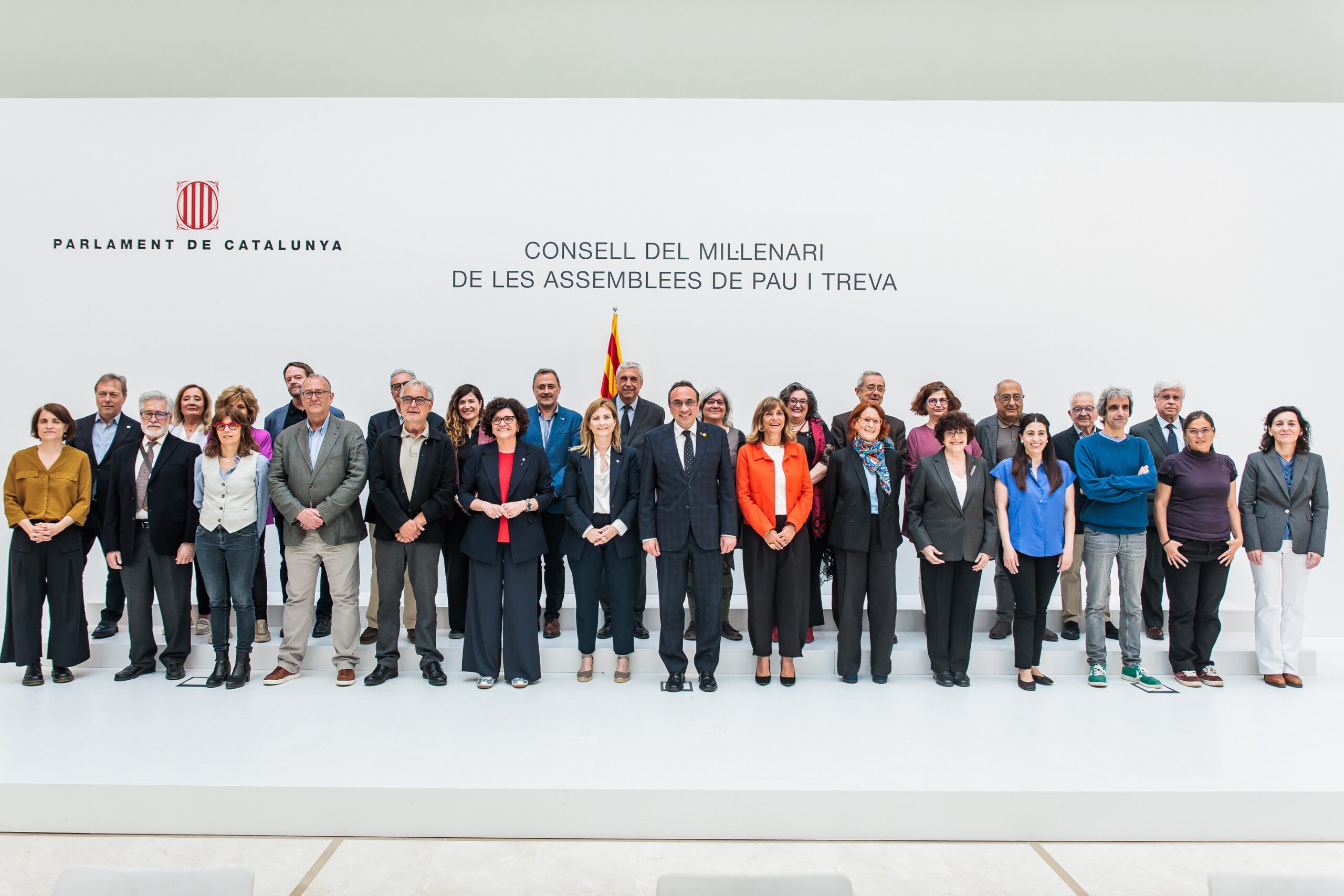
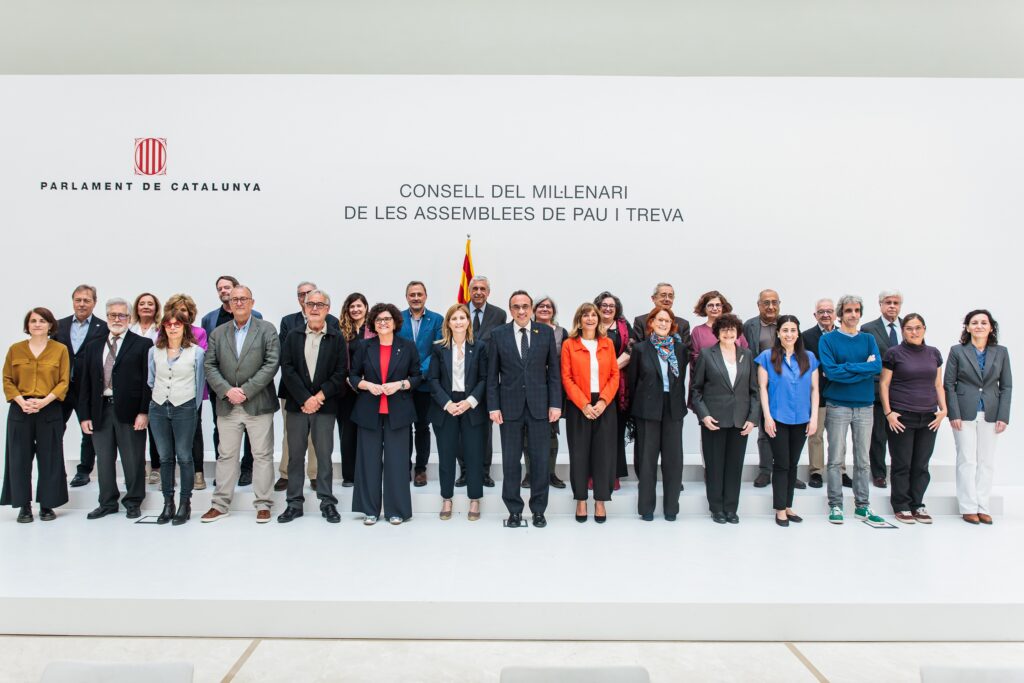
This week, at a ceremony held in the Parliament of Catalonia, the Millennial Council of the Peace and Truce Assemblies was formally established. Comprising twenty-nine public figures, the Council has been entrusted with advising the Parliament’s Bureau on the commemorative programme marking the thousandth anniversary of the first Peace and Truce Assemblies, which will take place throughout 2027.

These assemblies, along with the Comital Court, are widely regarded as the precursors of parliamentary institutions in Catalonia.  The first one was convened in Prats de Toluges, Roussillon, in 1027.

Council members, appointed by the Parliament’s Bureau, are distinguished individuals with backgrounds in academia, peace advocacy, culture, law and historiography.  Among them are ICIP director Kristian Herbolzheimer, and political scientist Sonia Andolz, who currently heads ICIP’s “Security alternatives” area.

On Tuesday 5 May, the Council held its first meeting, chaired by the president of the Parliament, Josep Rull, and the Millennial commissioner, Manel Vila.

The commemoration seeks to honour the thousandth anniversary of the assemblies and the deep roots of Catalan parliamentarianism, while highlighting Catalonia’s historical commitment to peace, democracy and human dignity.  True to this spirit, the planned events and activities will revolve around the themes of parliamentarianism, Catalonia’s own institutions, history, and the promotion of peace.

A Palestinian and an Israeli activist advocate nonviolence in Barcelona to build a peaceful future

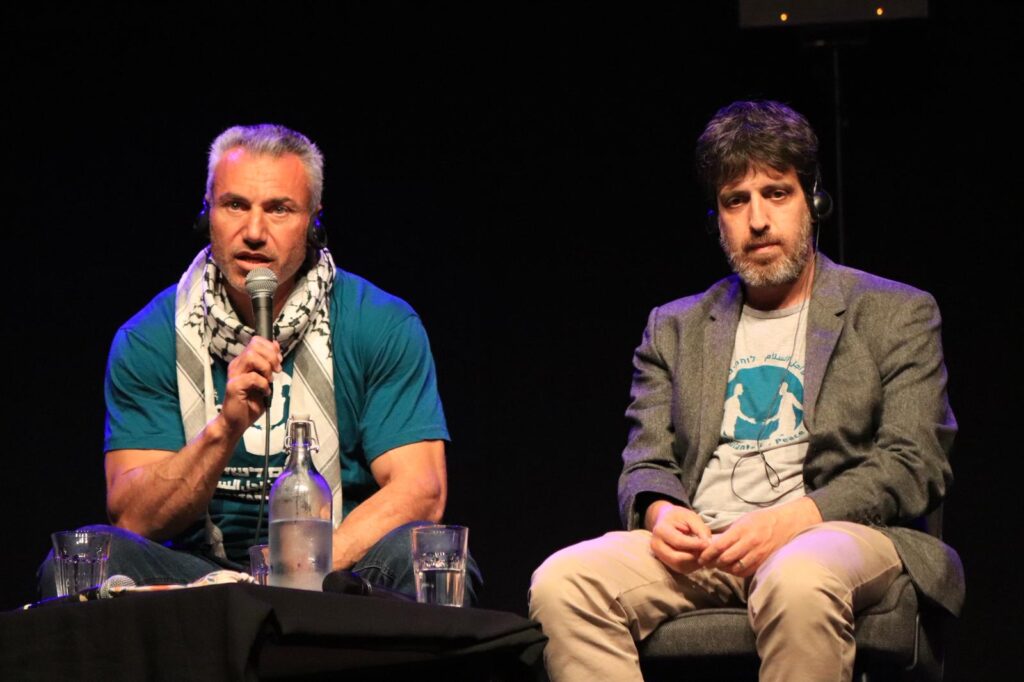
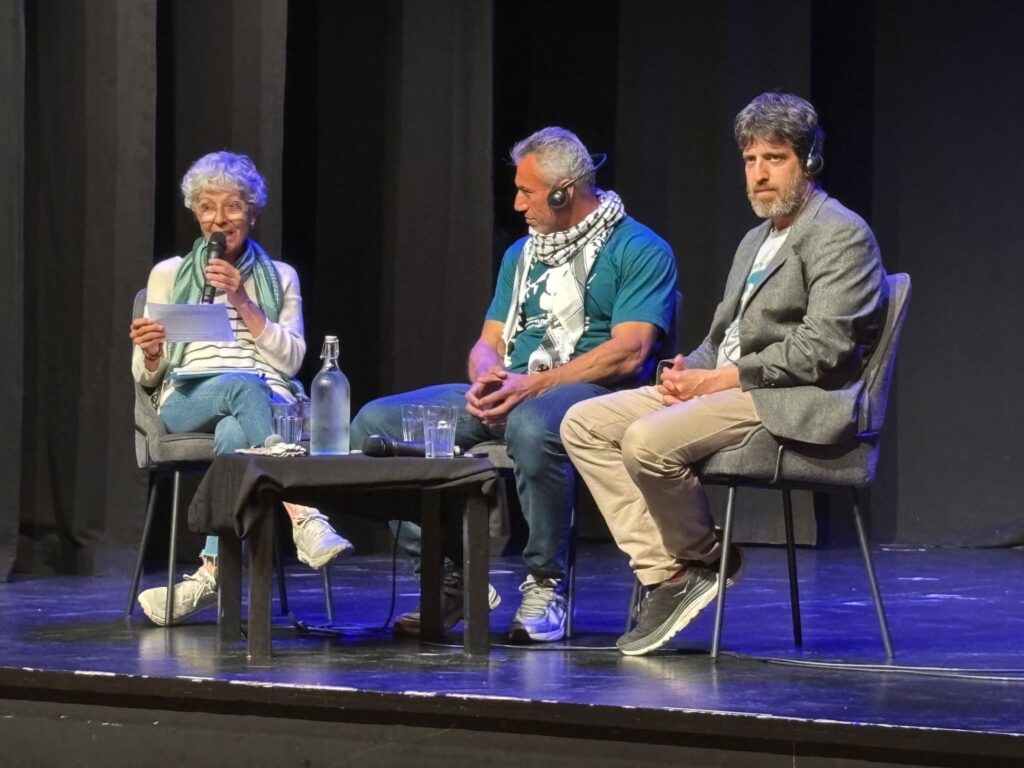
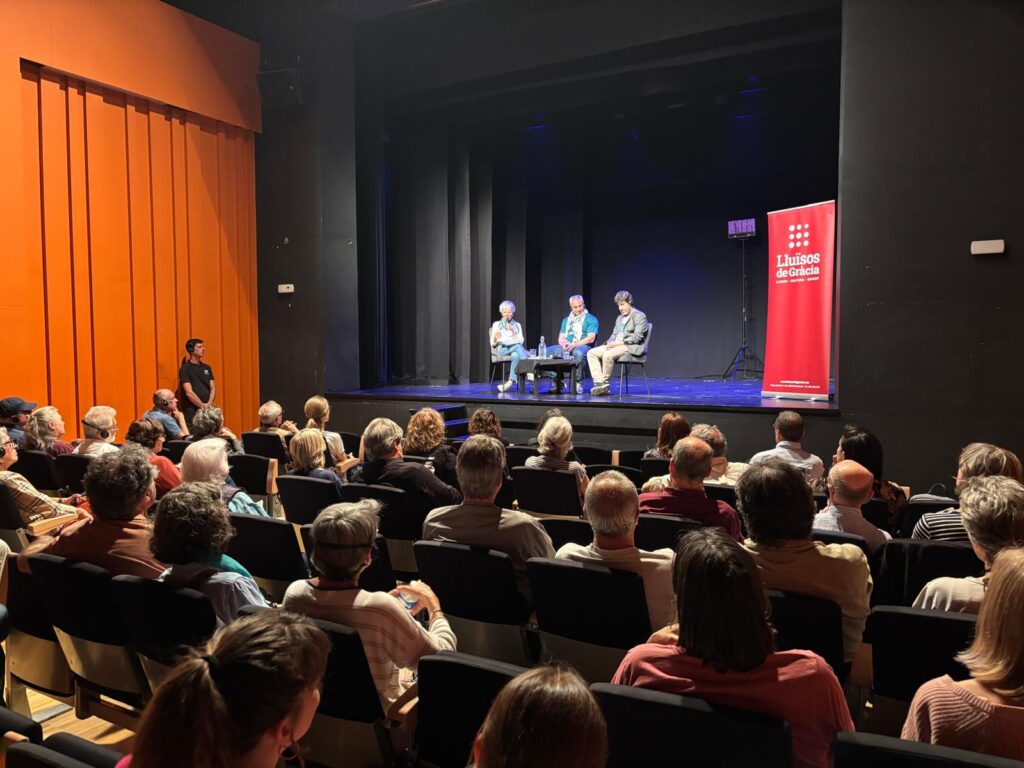
The Lluïsos de Gràcia Theatre in Barcelona hosted the event “Palestinians and Israelis Together for Peace and Against Occupation” on Monday, 27 April, organised by ICIP, FundiPau, NOVACT and Lluïsos de Gràcia as part of the 20th anniversary of the movement Combatants for Peace.

The conversation, moderated by FundiPau vice-president Carme Suñé, brought together two members of the organisation: Israeli activist Elik Elhanan and Palestinian activist Ahmed Helou. Both shared their personal experiences and their commitment to nonviolent resistance as an alternative to the cycle of violence and dehumanisation shaped by decades of conflict, the occupation of the Palestinian territories and the genocide in the Gaza Strip.

A former soldier in a special unit of the Israeli army and co-founder of Combatants for Peace, Elhanan explained how the death of his sister in a Hamas suicide bombing in 1997 profoundly changed his understanding of the conflict. “Revenge is not worth it,” he said. Rather than embracing retaliation, Elhanan decided to distance himself from violence, convinced that Israel’s military logic and use of violence only fuel further violence on the Palestinian side.

During his intervention, Elhanan stressed the need to break away from a “monolithic” view of the enemy and to create spaces for encounter between Palestinians and Israelis. “The occupation is the main source of violence in the region,” he said, while defending the importance of building a shared political space based on mutual recognition and equality.

For his part, Ahmed Helou explained how he joined Hamas at the age of 15 to fight the Israeli occupation and how, after spending time in prison and losing dozens of relatives and friends, he came to the conclusion that violence only perpetuates suffering. “Nonviolence is the path to freedom,” he stated.

Helou highlighted that direct contact with Israelis opposed to the occupation was key to his personal transformation, as it allowed him to stop seeing the “other” solely as an enemy. In this regard, he described Combatants for Peace as “a symbol of the future” and proof that Palestinians and Israelis can work together for justice, dignity and security for both peoples.

Both activists agreed on the difficulties of defending nonviolent positions in the current context, marked by polarisation, pain and dehumanisation. Nevertheless, they stressed the importance of continuing to build alternatives based on dialogue and empathy in the face of narratives that portray violence as inevitable.
The event concluded with a recognition of the work carried out by Combatants for Peace, a movement founded in 2006 by former Palestinian and Israeli combatants who decided to lay down their weapons and work together for a peaceful solution to the conflict. The organisation promotes nonviolent resistance actions, spaces for dialogue, and awareness-raising initiatives, both in Israel and Palestine and internationally, with the aim of demonstrating that it is possible to build alternatives grounded in justice, equality, and mutual recognition.

ICIP reaffirms its public service mission at its annual appearance before Parliament

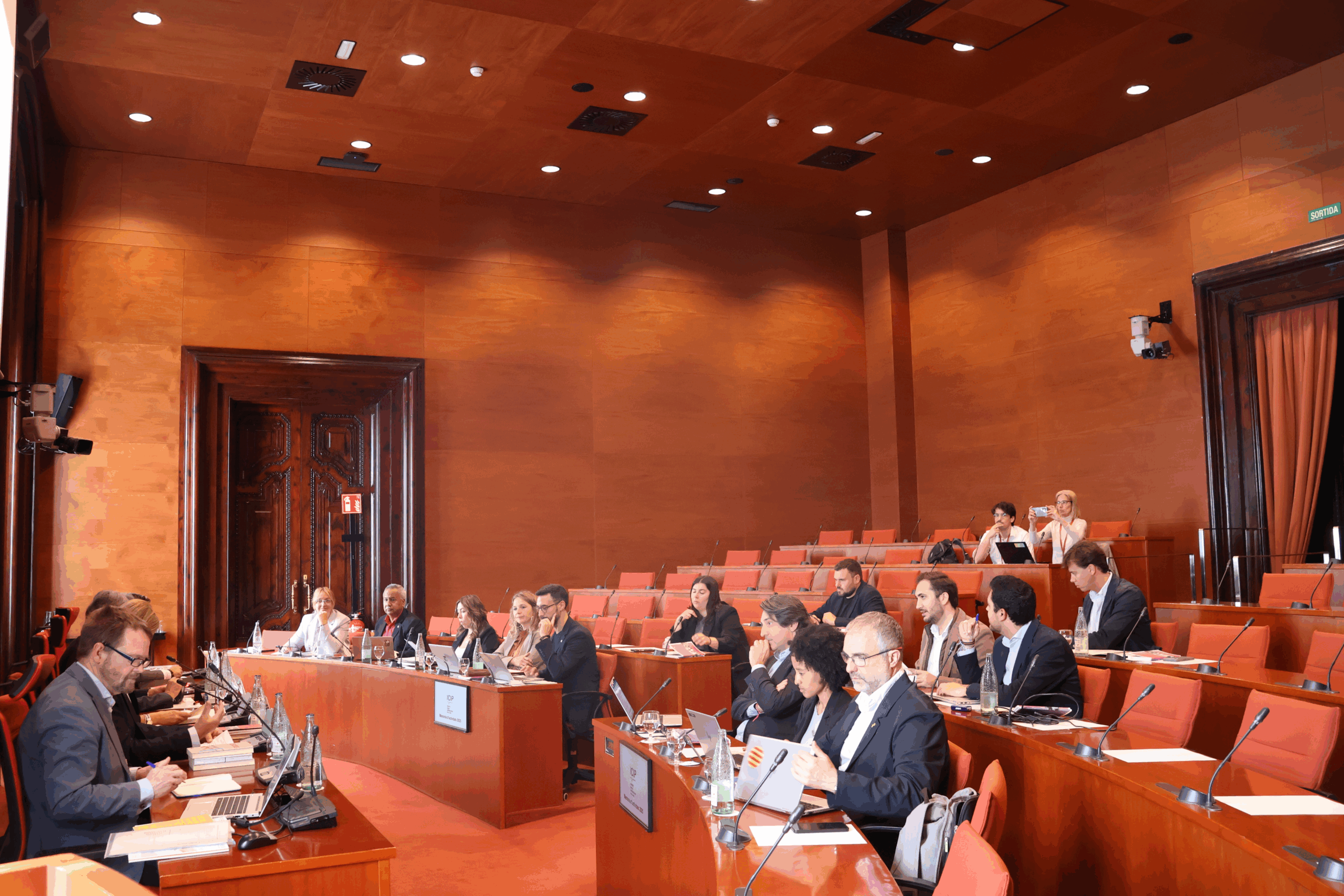
The president and director of the International Catalan Institute for Peace (ICIP), Xavier Masllorens and Kristian Herbolzheimer respectively, appeared before the European Union and External Action Committee of the Parliament of Catalonia on Thursday 9 April to present the institution’s Activity Report for 2024 and 2025.

In his address, the ICIP president highlighted the qualitative leap and growing impact of ICIP’s work, pointing to the co-organisation of nine international conferences — six of which were held abroad — and an expanding presence across Catalonia.  In keeping with its mandate to promote a culture of peace, both in Catalonia and internationally, the institution established 148 collaborations and participated in 10 action networks throughout 2025.

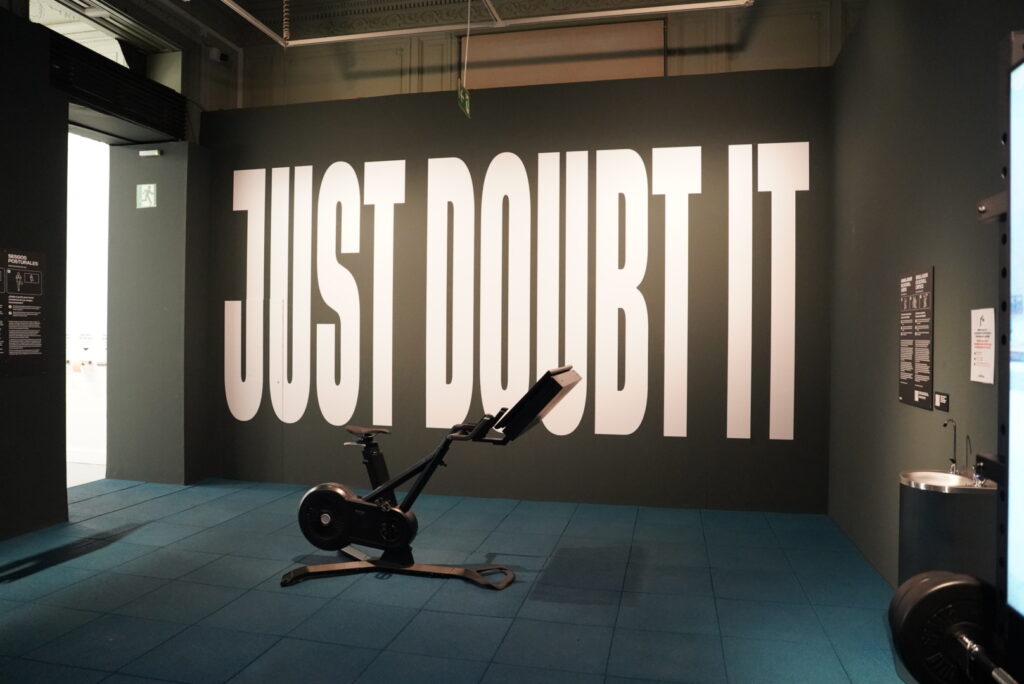
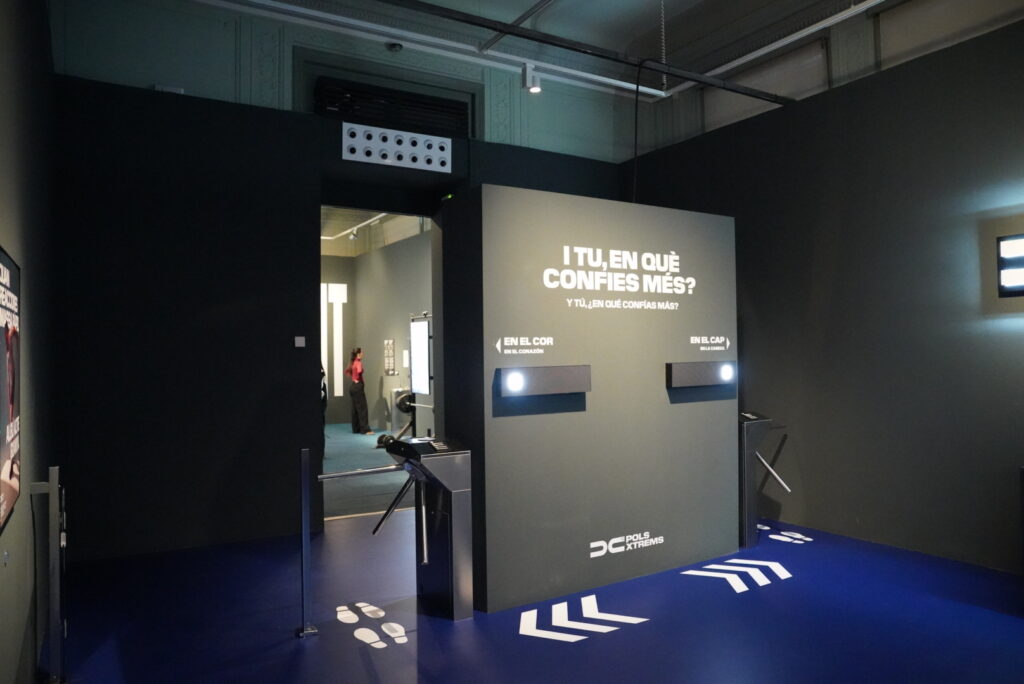
Against a backdrop of unprecedented growth in military spending and an ever-rising number of armed conflicts, 2025 saw ICIP strengthen its internal capacities for developing security alternatives at both local and global levels — alternatives centred on the interests of citizens rather than a militaristic outlook.  The institution has also sharpened its focus on promoting dialogue and mediation in the international arena, as well as strengthening dialogue capacities and pushing back against toxic polarisation within Catalonia, through the conceptualisation of the exhibition “PolsXtrems: Your gym to train your critical thinking”, which runs until 17 May at Palau Robert..

In his address, Xavier Masllorens also outlined the strategic objectives for 2026, among which he highlighted the intention to convene rigorous, multifaceted analyses and reflections on how to prevent and reduce all forms of violence.  He drew particular attention to the significance that a broad coalition of social and institutional actors committed to peace are driving forward the first Peace Master Plan of Catalonia – an initiative with the potential to become an international benchmark.

The president of ICIP, whose mandate comes to an end this coming May after ten years at the helm of the institution, ended his remarks by highlighting the privilege of presiding over an institution that “projects Catalonia to the world and works for a more cohesive society”.  For his part, ICIP director Kristian Herbolzheimer underlined the opportunity for Catalonia to lead, within Europe, “reflections and proposals on peacebuilding and social cohesion at a time when these issues are more relevant than ever”.

The ICIP director also reaffirmed the institution’s commitment to promoting the Catalan language, a commitment reflected, for example, in the translation into Catalan of 51 titles by both classic and contemporary authors.  Responding to questions from several parliamentary groups — most notably Junts per Catalunya — Herbolzheimer acknowledged that the approach taken regarding the Catalan language in the “PolsXtrems” exhibition had been a mistake, and stressed that “ICIP firmly believes that Catalan is a tool for social cohesion and is deeply committed to promoting the Catalan language”.  In their rebuttal, Junts per Catalunya thanked ICIP for its explanations on this matter before the Parliament.

The parliamentary groups expressed their appreciation for the public service work carried out by ICIP and, despite some reservations, praised its contribution to promoting a culture of peace, both in Catalonia and around the world — a contribution all the more necessary in today’s turbulent climate.

ICIP was established by the Parliament of Catalonia in 2007 with the aim of promoting a culture of peace within Catalan society and on the international stage, and of ensuring that Catalonia plays an active role as a peacebuilding agent in the world.  An autonomous body with its own legal personality, ICIP serves public administrations, the academic community and civil society, and is accountable to the Parliament, the Government and the public at large.

Spring tour of Human Rights Defender Cities kicks off with activists from five countries

The 16th edition of the Ciutats Defensores dels Drets Humans (Human Rights Defender Cities programme) will begin on 13 April with the launch of its spring tour, to be held at the headquarters of the Barcelona Metropolitan Area. Until 22 April, five human rights defenders from Mexico, Colombia, Palestine, El Salvador and Kurdistan will travel across several municipalities in Catalonia to share their experiences and denounce the human rights violations they face in their territories.

The initiative, coordinated by the Fons Català de Cooperació al Desenvolupament and managed by the Comissió Catalana d’Ajuda al Refugiat, involves 28 local councils and several Catalan organisations and institutions, including ICIP, which provides institutional support.

Since 2013, Human Rights Defender Cities has worked to raise the visibility of human rights defenders, denounce the persecution they face, and strengthen protection networks while fostering a more informed and engaged public on human rights issues.

Voices from the frontlines

At the heart of the programme is the stay in Catalonia of a group of defenders working in contexts of conflict or high vulnerability. During their visit, they take part in conferences, educational activities, institutional meetings and media engagements.

This year’s participants come from diverse backgrounds but share a common thread: a sustained commitment to defending human rights in challenging environments.

Jenkidar Shikhdmmar, from Kurdistan, works to raise awareness about the situation of the Kurdish people and the rights violations faced by minorities. From Colombia, Natali González Arce brings extensive experience in peacebuilding, feminism and working with young people at risk of social exclusion.

From Palestine, Zaina Qazzaz will share the perspective of a generation shaped by the conflict in Gaza and the challenges of continuing their life projects. Meanwhile, Constantino Rubén Moreno Méndez will present his work defending the rights of Indigenous peoples and documenting human rights violations in Chiapas, Mexico.

Support and advocacy from Catalonia

The presence of these voices in Catalonia goes beyond symbolism. The tour provides a space of temporary protection and international visibility for individuals who often work under risk, while also fostering dialogue with institutions, civil society and the broader public.

In this context, ICIP’s involvement reflects its commitment to promoting a culture of peace, supporting human rights defenders, and contributing to narratives that connect global realities with local contexts.

The spring tour will be followed by a second phase in autumn, scheduled from 29 September to 8 October, consolidating a project that, beyond individual visits, seeks to build lasting alliances in defence of human rights.

ICIP Co-Organises “Closing the Gaps” Conference in Sarajevo to Transform Memory into a Tool for Violence Prevention

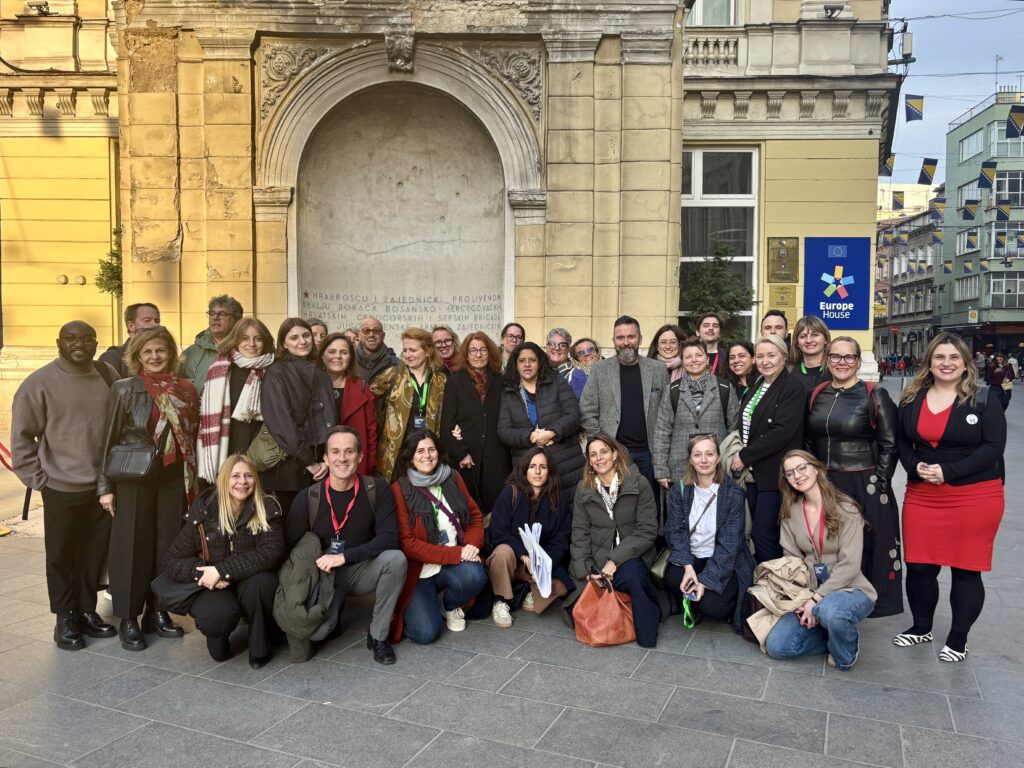
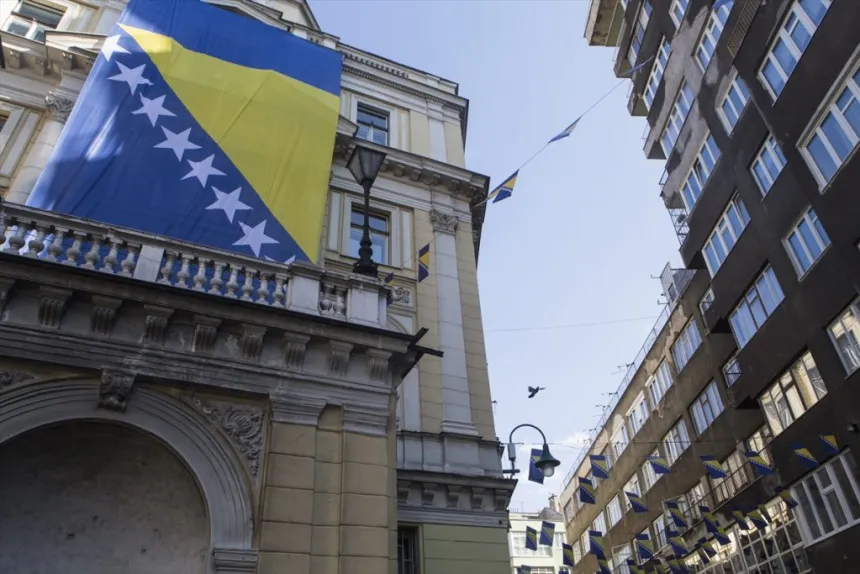
Against a backdrop of rising global conflicts and the weaponisation of history, the International Catalan Institute for Peace (ICIP), in partnership with the International Coalition of Sites of Conscience and the War Childhood Museum, convened a major multi-stakeholder roundtable in Sarajevo on March 24-25.

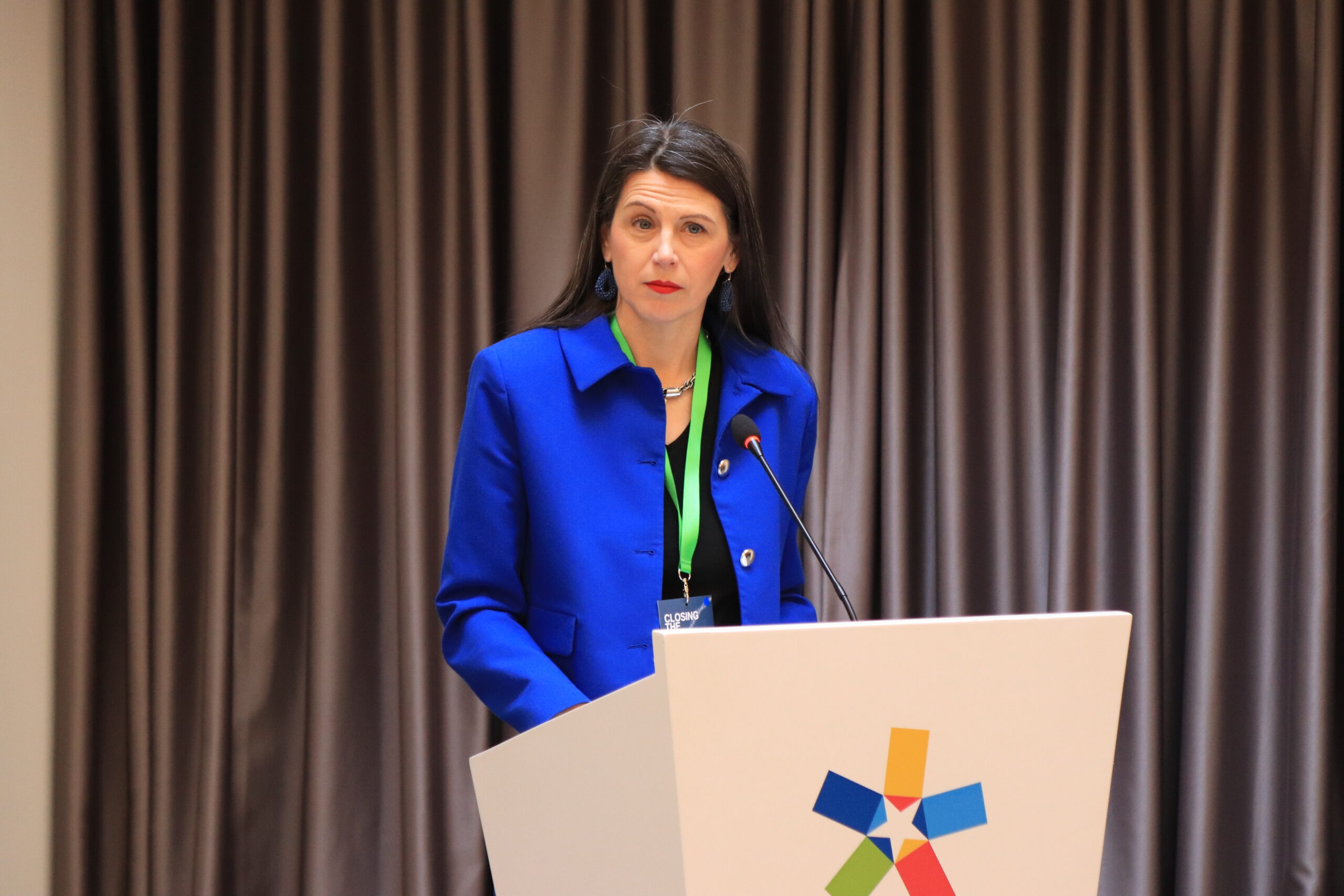
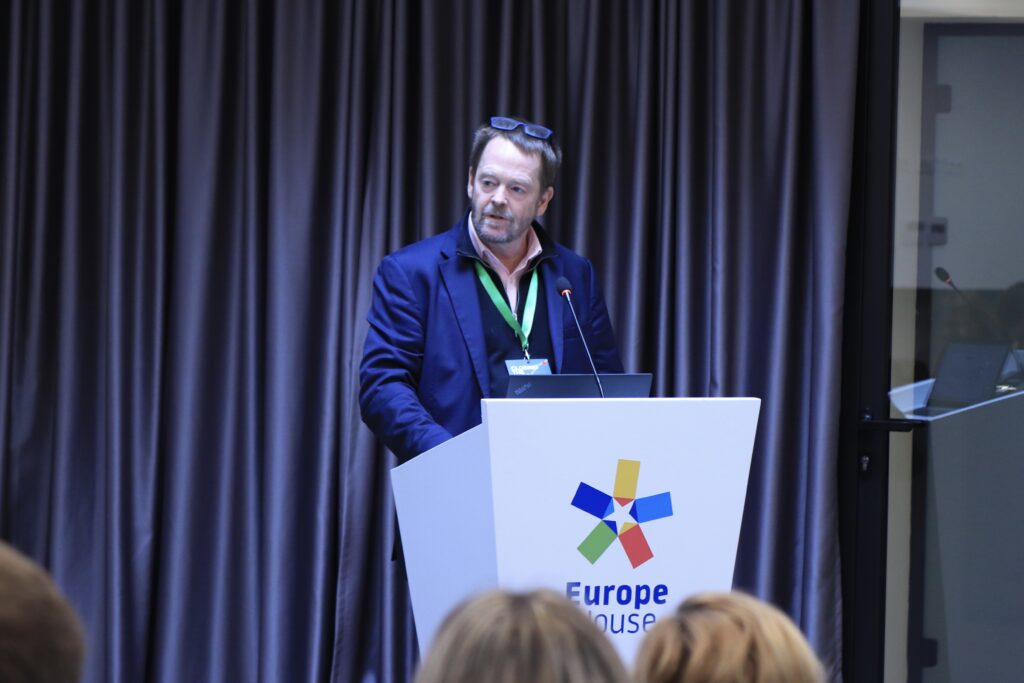
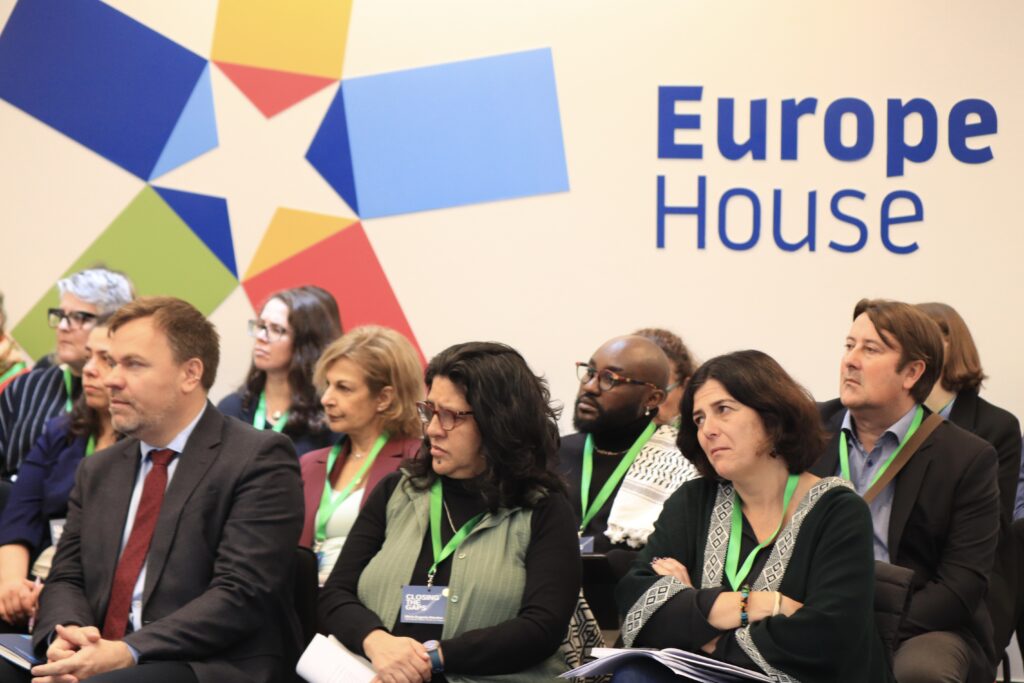
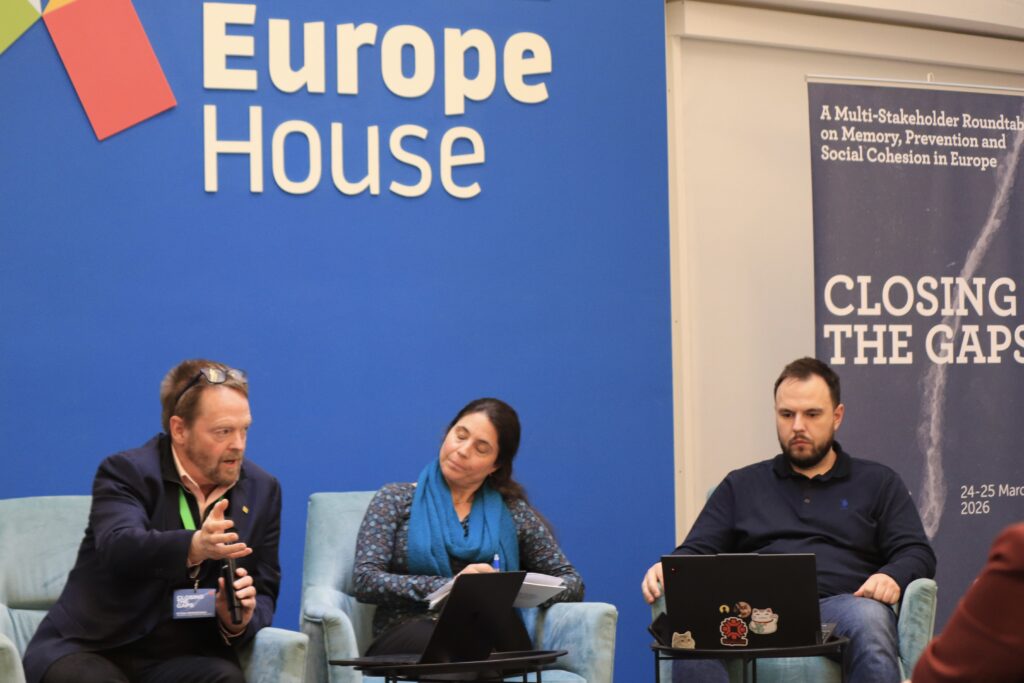
The two-day conference, titled “Closing the Gaps: Memory, Prevention and Social Cohesion in Europe,” gathered civil society actors, grassroots organisations, scholars, and policymakers at Europe House to critically assess why the post-WWII promise of “never again” has so often failed to translate into effective violence prevention.

Confronting the “New Normal” of War

The event opened with a stark acknowledgement of the current geopolitical climate. Kristian Herbolzheimer, Executive Director of ICIP, set the tone by warning that we are living in extremely troubling times in which the trend toward peace agreements has reverted to power politics. “War is framed now as a new normal,” Herbolzheimer noted, challenging participants to build a new narrative of hope and find ways to sustain difficult dialogues in a polarised world.

Throughout the first day, participants mapped the severe limitations of current memory policies. Discussions highlighted how dominant narratives often reflect a “fabricated history” that sidelines marginalised groups, such as the Roma community, whose suffering during WWII and the 1990s wars has historically been excluded from institutional archives. Panellists also condemned the ongoing political instrumentalisation of memory, where remembrance is frequently manipulated to justify contemporary violence or reinforce social divisions rather than heal them.

“Active Hope” and Practical Prevention

The second day shifted the focus from identifying gaps to designing practical, preventive tools. A deeply moving keynote address by Alma Mustafić, a survivor of the Srebrenica genocide, reminded the room of the true purpose of remembering. “Memory is not just about the past. It’s a tool for prevention, for civil engagement and for social projects,” Mustafić stated, adding that memory feeds the courage to speak out against injustice and stand in solidarity with others.

Participants explored concrete strategies to integrate historical memory into early-warning systems and anti-discrimination mechanisms. Key recommendations that emerged from the specialised working groups included:

  • A Holistic EU Approach: A strong call for the European Union to stop fragmenting its anti-discrimination policies into “silos” and instead adopt a comprehensive approach to preventing discrimination.
  • No Double Standards: Practitioners urged policymakers to stop viewing atrocities as isolated events and instead treat transitional justice as a long-term security risk, demanding that international accountability be applied without double standards.
  • Inclusive, Bottom-Up Peacebuilding: A consensus that memory work must move beyond elite, donor-driven bubbles. Organisations were urged to act as platforms rather than storytellers, engaging youth through practical tasks and utilising local, community-driven practices to build trust.

Building a Community of Practice

Ultimately, the “Closing the Gaps” roundtable served not just as a space for critical reflection but as the foundation for a sustained movement. Recognising the challenges ahead, including potential cuts to EU peacebuilding funding and the ongoing threat of political censorship, participants committed to forming a long-term community of practice.

The holding of the roundtable in Sarajevo, a city marked by the consequences of recent conflicts, but also by efforts toward reconstruction and coexistence, reinforces the commitment of ICIP and the participating organisations to promote memory as a key tool for violence prevention and peacebuilding.

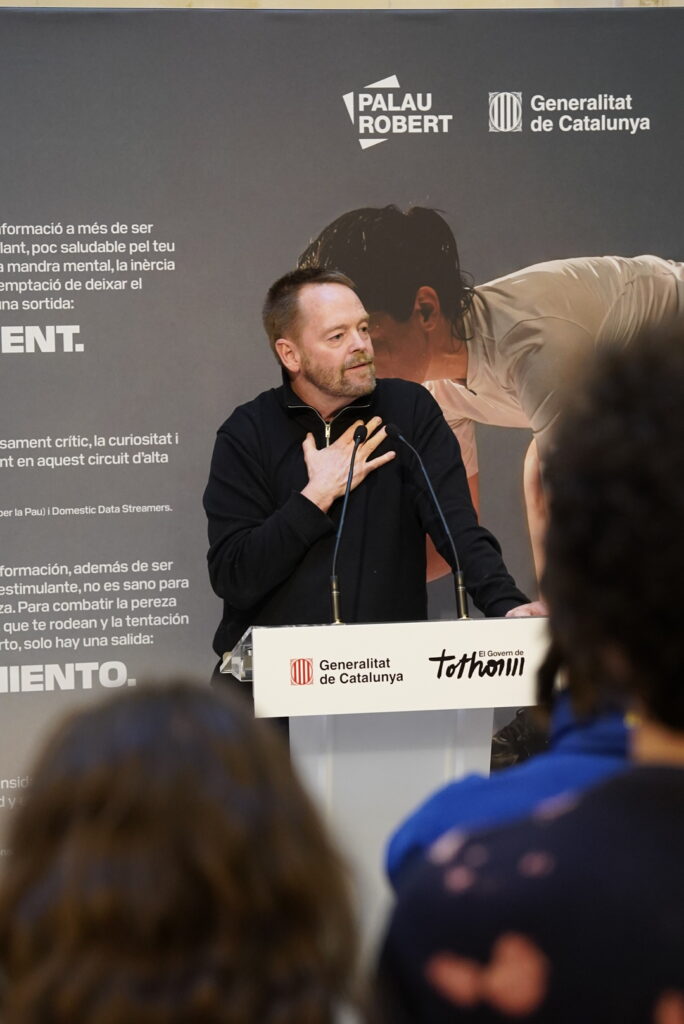
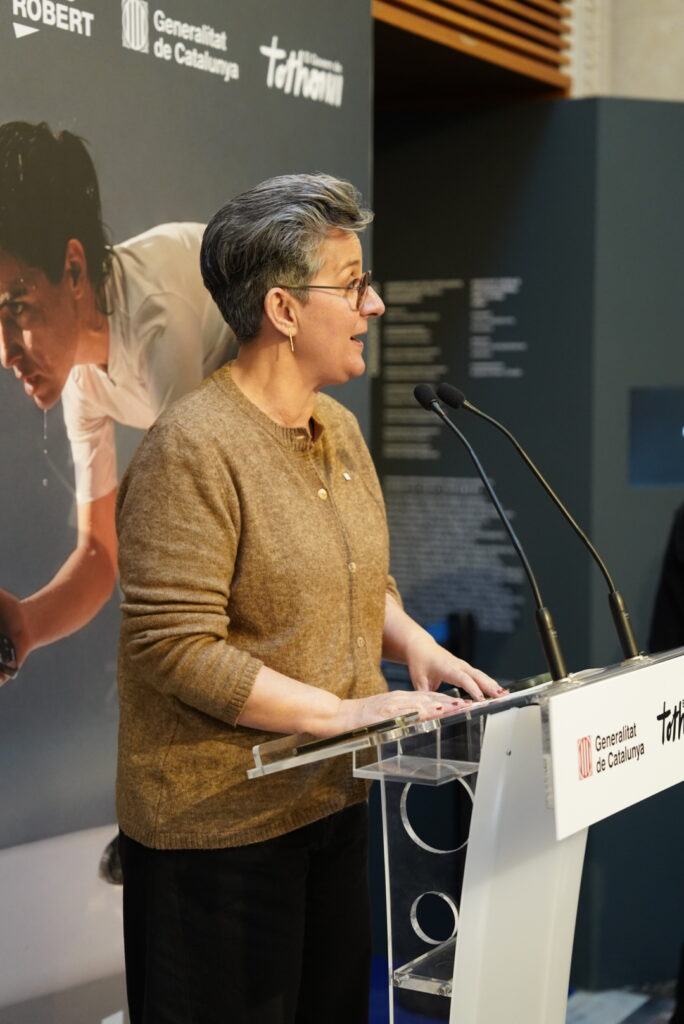
“PolsXtrems” Opens at Palau Robert: A Gym to Train Critical Thinking

On Thursday, 19 February, the exhibition “PolsXtrems. Your Gym to Buff Up Your Critical Thinking” was inaugurated at Palau Robert. The initiative is led by ICIP and the Directorate-General for Public Outreach, with curation by the creative studio Domestic Data Streamers, which is responsible for art direction and exhibition design.

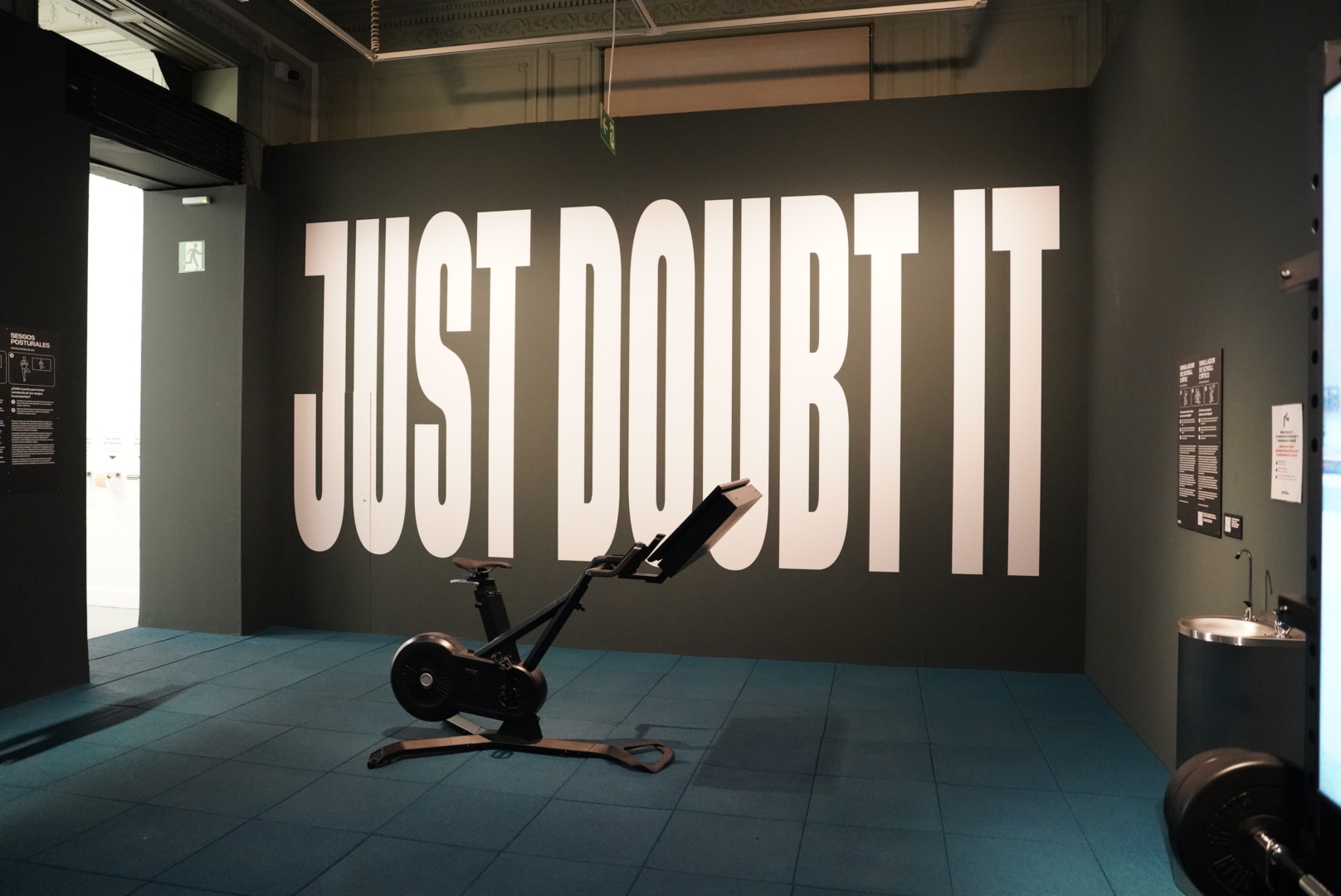
PolsXtrems is an interactive, multimedia exhibition that recreates a gym where visitors can train critical thinking, empathy, and curiosity about other people’s opinions. In a context marked by growing disinformation, polarization and hate speech, the exhibition space mirrors a gym training room, offering different “workouts” to build mental flexibility and critical spirit. It concludes with a recreated locker room that invites visitors to listen to diverse perspectives on current social debates such as immigration, tourism and language.

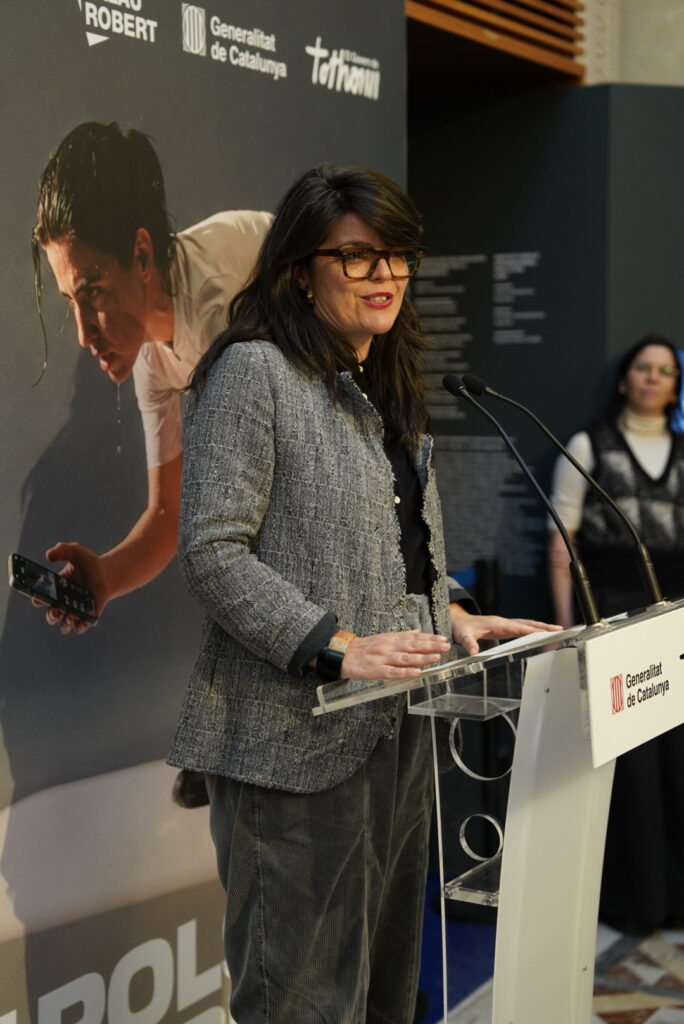
The opening event featured remarks by the Director-General for Public Outreach, Elisabet Valls; the Director of ICIP, Kristian Herbolzheimer; and the Director-General for Development Cooperation, Andrea Costafreda.

In her welcome address, Valls emphasised that “we can all become victims of polarisation and fall, without even realising it, into biased, unfair or potentially hateful narratives. It is essential to pause, to take a moment, and, as ICIP aptly proposes with this exhibition, overcome mental laziness and sign up for the gym of the mind: to exercise critical thinking, strengthen our reflective muscles and empathy for the common good.”

Herbolzheimer, in turn, stressed the importance of this mental training: “We celebrate disagreement, but we need tools to manage it constructively. ‘PolsXtrems’ invites us to identify our own cognitive biases and to train respect and curiosity toward those who think differently.”

Finally, in her closing remarks, Costafreda noted that from a development cooperation perspective, “it is not all about funding or technical solutions; many inequalities are rooted in social norms, narratives and worldviews,” and therefore it is essential to keep an open mind.

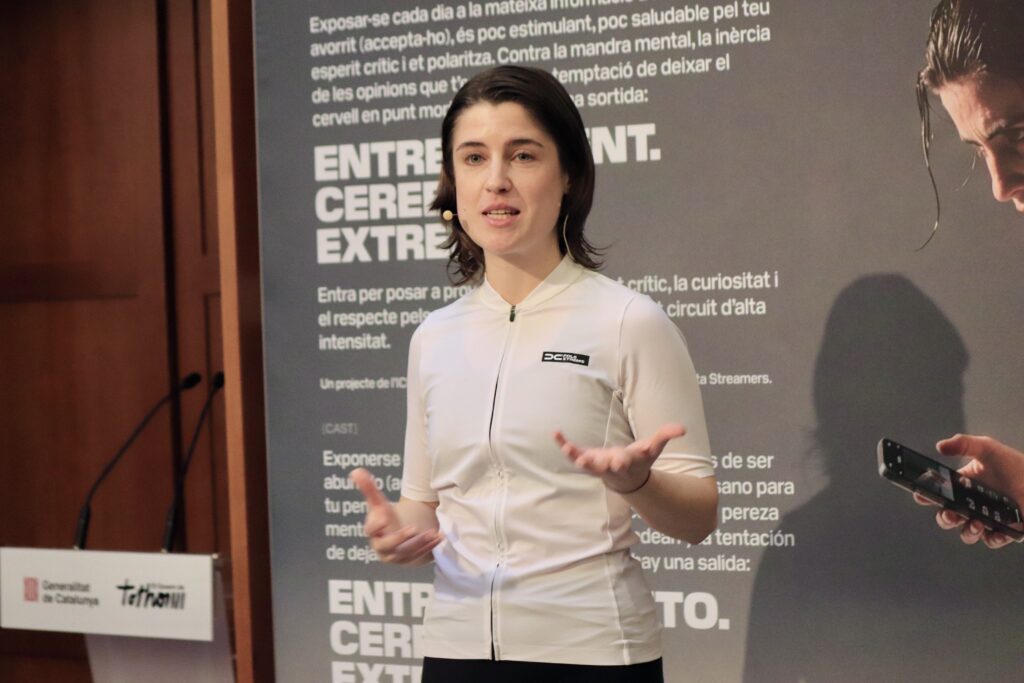
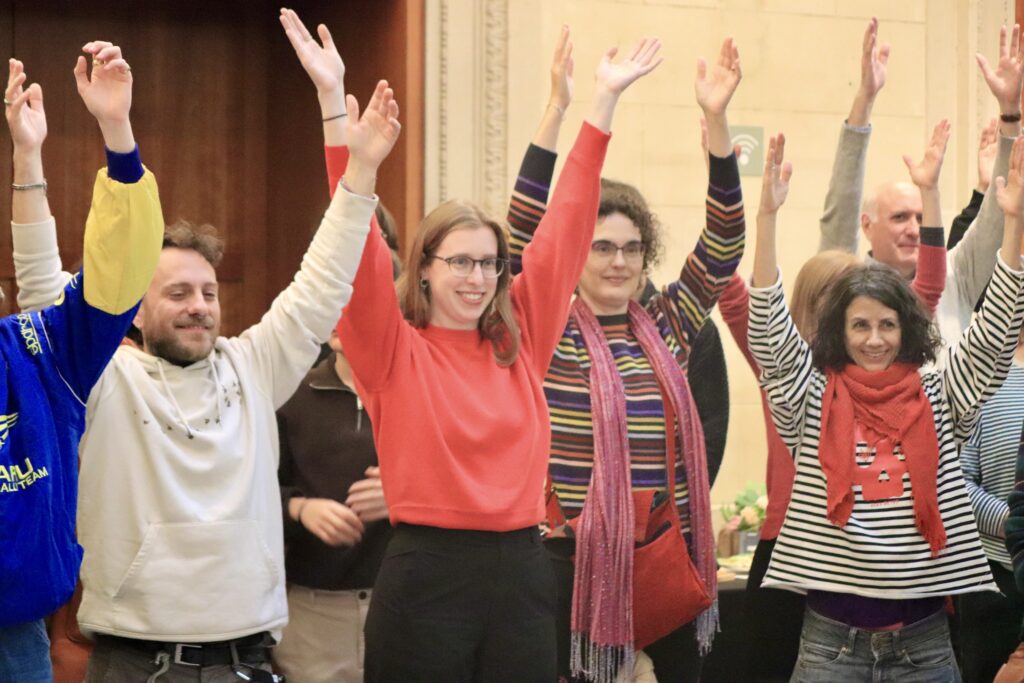
The inauguration concluded with a performance by Marina Olivares, who, playing the role of a gym trainer, invited attendees to “exercise in order to train their critical spirit.”

“PolsXtrems” is therefore a new concept of a gym designed to combat mental laziness, increase flexibility when listening to different points of view, counter disinformation, strengthen empathy and build resilience against toxic polarization. The exhibition can be visited in Room 2 at Palau Robert until 17 May. Admission is free and open to all.

The production of the exhibition is part of ICIP’s working area “Social and Political Dialogue”, through which ICIP promotes dialogue and mutual understanding as positive tools for conflict transformation, and examines the challenges that toxic polarization poses to democratic societies.

ICIP co-organises a European gathering in Sarajevo to rethink the role of memory in preventing violence

At a time of growing polarization, historical revisionism and identity-based violence in Europe, leading civil society actors, scholars and policymakers will gather in Sarajevo for Closing the Gaps: A Multi-Stakeholder Roundtable on Memory, Prevention and Social Cohesion in Europe, a two-day event co-organised by ICIP, the International Coalition of Sites of Conscience (ICSC) and the War Childhood Museum. The event will take place on 24–25 March 2026 in a city deeply shaped by war, memory and sustained efforts toward reconciliation.

Since World War II, memory policies and practices have grown out of the need to confront atrocities, honor survivors, and prevent their repetition. From the Holocaust to Rwanda and Bosnia, these efforts sought not only to remember but also to challenge denial and embed lessons in public life. Yet today, those lessons appear to be slipping away: patterns of hatred and violence are re-emerging, and even societies that once championed “never again” often fail to recognize the same dangers when they appear elsewhere. From denial and revisionism in Latin America, to ongoing genocides in Gaza and Sudan, to renewed inter-ethnic tensions in the Balkans, the stakes of memory work could not be higher.

This is a moment to pause and to reflect critically: What is failing? What are the deeper, structural reasons behind these failures? What has worked? And what lessons can be carried forward?

From commemoration to prevention

Taking place at Europe House, the Closing the Gaps roundtable will critically examine why memory policies and practices often fail to translate remembrance into prevention, democratic resilience and social cohesion, and how these gaps can be closed. It will bring together survivors, practitioners, scholars and policymakers to foster collaboration, shared learning, and collective action that can shape policy and practice across Europe.

At a time when international law and human rights are under sustained attack, memory work must be reclaimed for its original purpose, not as a passive act of remembrance, but as an act of courage, resistance, and justice.

A meeting with international voices

The roundtable will feature a diverse group of speakers, including Hasan Hasanović, survivor of the Srebrenica genocide and Head of the Oral History Program at the Srebrenica Memorial Center; Alma Mustafić, survivor, researcher and lecturer at Utrecht University of Applied Sciences; Jaclyn Streitfeld-Hall, Deputy Executive Director of the Global Centre for the Responsibility to Protect; and Emmanuel Achiri, Policy Advisor at the European Network Against Racism (ENAR), Edina Bećirević, Associate Professor at the University of Sarajevo and author of Genocide on the Drina River; Nayat Karakose, Director of Programs at the Hrant Dink Foundation; William Blair, Director of Collections at National Museums Northern Ireland; and Nikola Kandić, Head of the Sarajevo office of the Regional Youth Cooperation Office (RYCO), among others.

Across keynote sessions, roundtables and small-group discussions, participants will address key questions such as how memory policies can better include marginalized histories without fueling polarization; how intersectional approaches to memory can foster cross-community dialogue; and how memory initiatives can inspire meaningful civic action to address the root causes and risk factors of violence.

Towards a European roadmap

The roundtable will conclude with the drafting of a Policy Roadmap outlining practical recommendations to strengthen the links between memory work, violence prevention, anti-discrimination efforts and democratic resilience. These outcomes are intended to inform future policy debates and strengthen cooperation between civil society and policymakers across Europe.

You can check the conference program at this link.

The call for applications for the ICIP Peace in Progress Award 2026 is now open, with a €10,000 prize

The ICIP Peace in Progress Award 2026 is now open for nominations. This is the fifteenth edition of the award, which aims to publicly recognise individuals, organisations, or institutions that have made an outstanding and sustained contribution to the promotion and construction of peace, both in Catalonia and internationally.

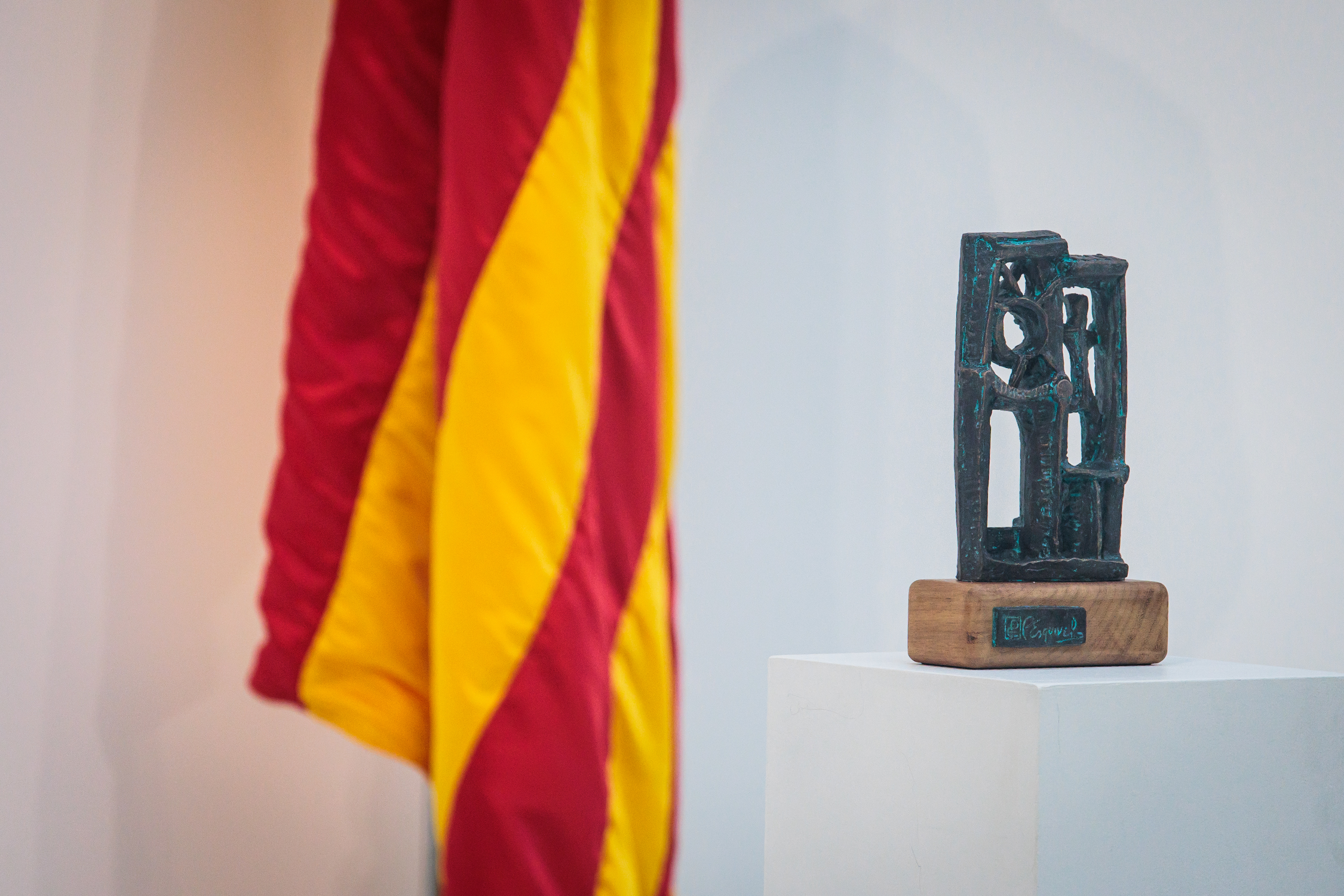
This year’s edition introduces a significant new feature: the financial endowment has increased from €6,000 to €10,000. The award also includes public recognition and a sculpture created by Nobel Peace Prize laureate, artist, and activist Adolfo Pérez Esquivel, entitled Puerta del Sol.

The call will remain open until 14 April 2026. Applications must be submitted electronically through the Government of Catalonia’s Procedures Portal or in person at any official registry of the Government of Catalonia.

Fifteen years of trajectory

In previous editions, the jury has honoured individuals and organisations at the international level, including: the Syrian women’s association Women Now for Development (2025); activist and researcher Vicenç Fisas (2024); the associations Women Victims of the War of Bosnia and Herzegovina and Forgotten Children of War (2023); the Basque civil society movement for peace (2022); Congolese activist Julienne Lusenge (2020); the Collective of Families of Disappeared Persons in Algeria (2019); the Mexican organisation Cauce Ciudadano (2018); activist Arcadi Oliveres (2017); the NGO Peace Brigades International (2016); Capuchin friar Joan Botam (2015); the organisation WILPF (2014); former general Jovan Divjak (2013); the Mothers of Soacha (2012); and the movement of conscientious objectors and insubordinates, symbolised by Pepe Beúnza (2011).

In 2011, the Parliament of Catalonia was also recognised with a special, extraordinary edition of the award.

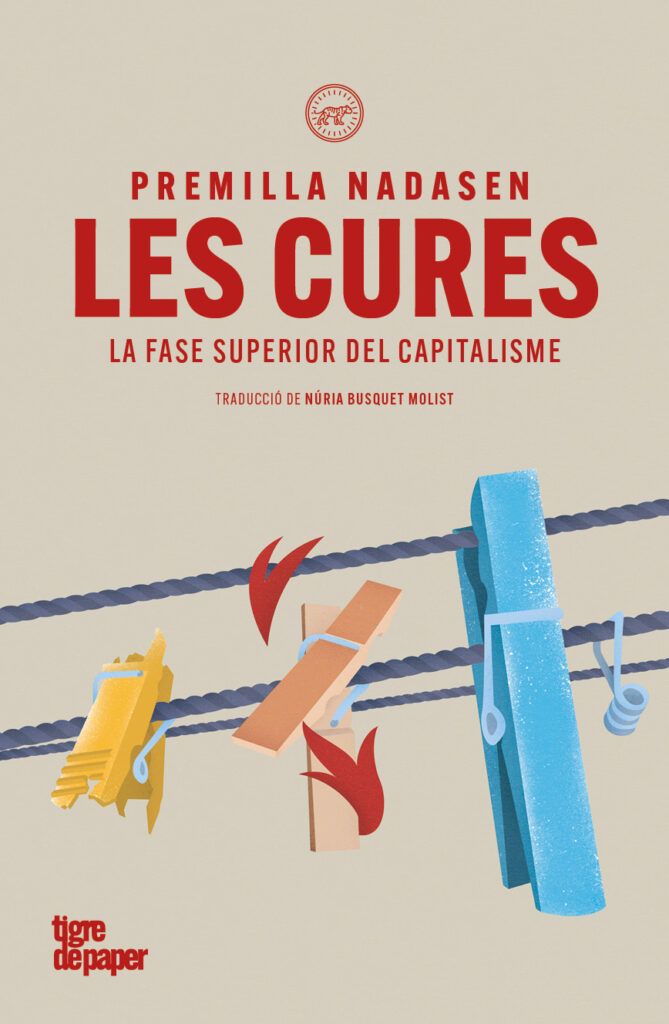
ICIP and Tigre de Paper publish Les cures. La fase superior del capitalisme, by Premilla Nadasen

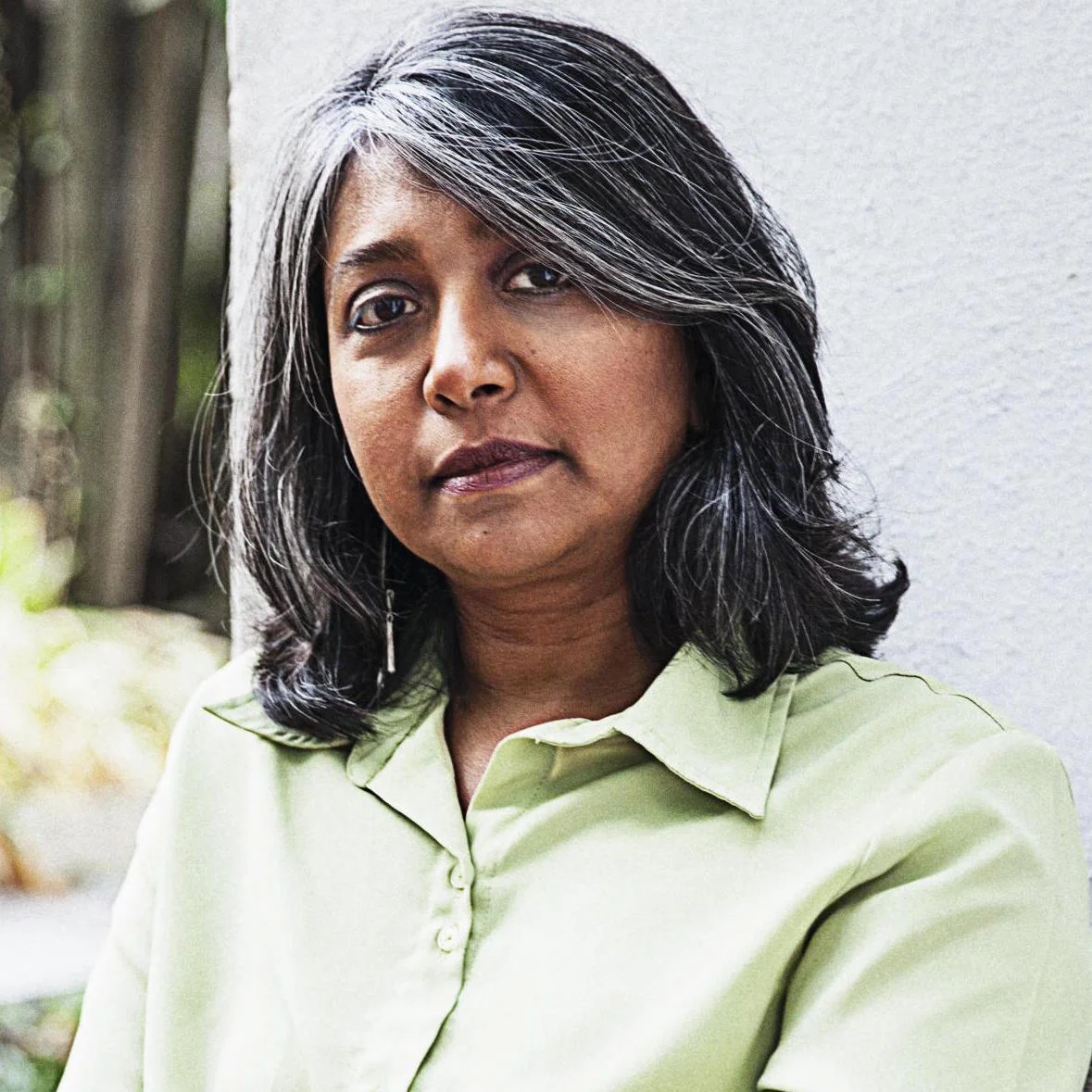
ICIP and Tigre de Paper are publishing Les cures. La fase superior del capitalisme (Care: The Highest Stage of Capitalism), a book by historian and activist Premilla Nadasen. It will be available in bookshops from Monday, 19 January.

The book analyses the evolution of the care economy and how this sector has become a new space for profit within contemporary capitalism. It examines areas such as care homes, schools, hospitals, day centres, cleaning services, childcare facilities, support for dependent people, home-care platforms, and psychological care centres, outlining a structured, hierarchical sector that transforms the labour of many into profits for others.

Drawing on the care crisis made visible during the COVID-19 pandemic, Nadasen adopts a gendered and racial perspective to analyse social reproduction as a key element for understanding the nature and evolution of capitalism. The author traces this process from its origins, linked to slavery, when there was no clear division between production and social reproduction, to the present stage, in which the relationship between capital and care has become central.

The book also gives voice to the demands of migrant and racialised care workers and explores the transformative potential of radical care, understood as a tool for imagining and building alternative social models and more just collective futures.

Les cures. La fase superior del capitalisme is a co-edition by ICIP and Tigre de Paper, translated into Catalan by Núria Busquet Molist.

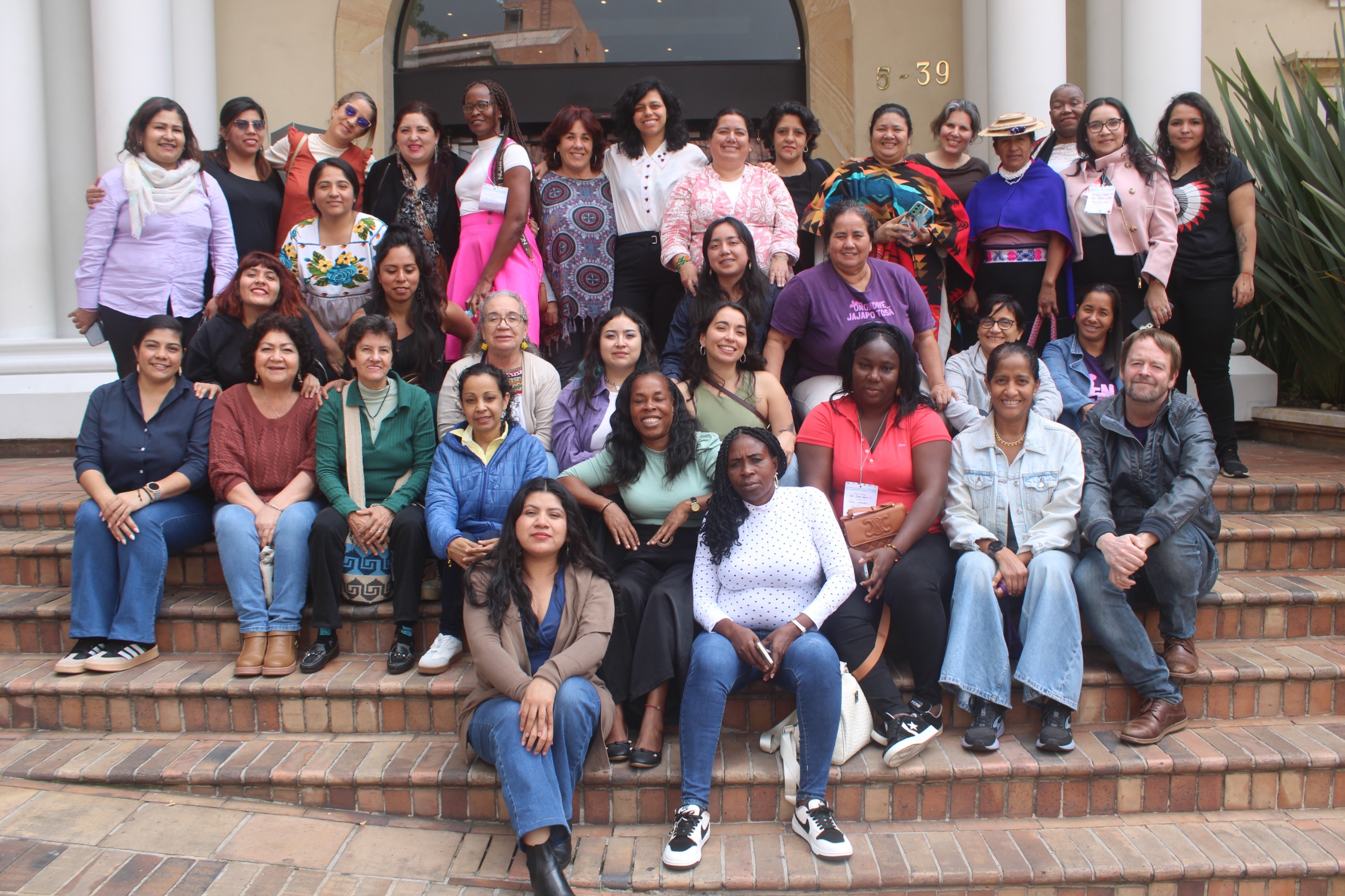
LAMPS Network presents the first subcontinental assessment of the Women, Peace and Security Agenda in Latin America and the Caribbean

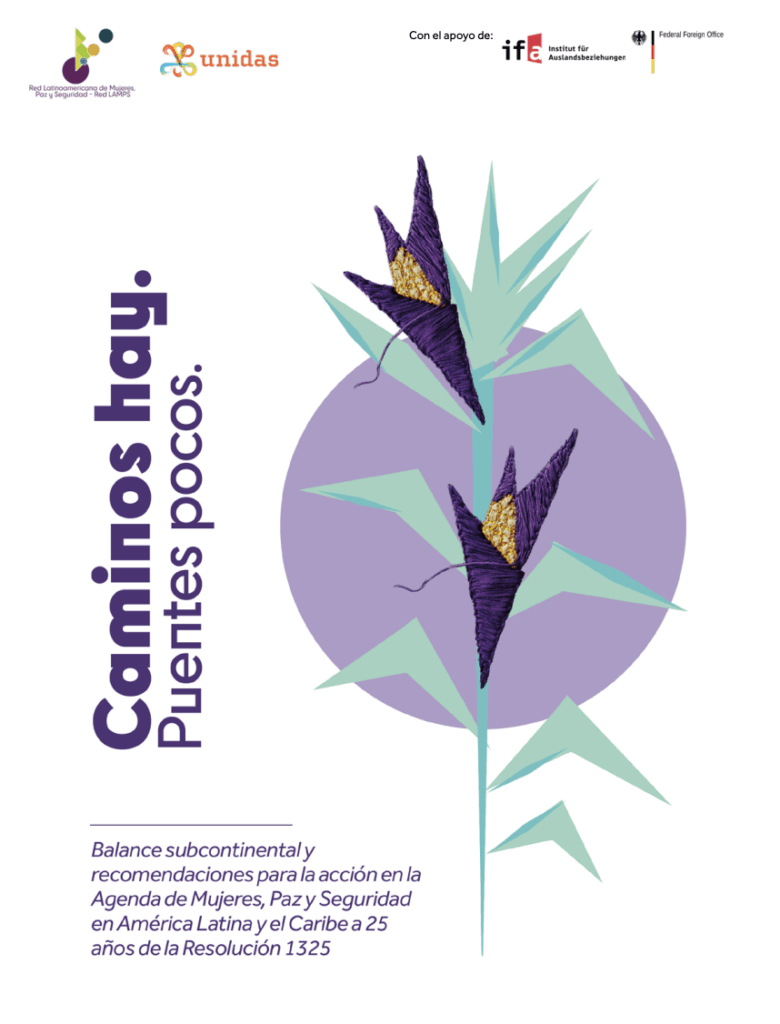
On 26 November, the Latin American Network of Women, Peace and Security (LAMPS), of which ICIP is a member, presented the report Caminos hay. Puentes pocos (There are Paths. Few bridges), a subcontinental assessment examining the state of the Women, Peace and Security (WPS) Agenda 25 years after the adoption of UN Security Council Resolution 1325. The launch took place in a virtual public event.

This is the first study of its kind in the region, with information collected in 33 countries and 14 colonial enclaves, and incorporating 11 national and contextual investigations conducted in Brazil, Bolivia, Chile, Colombia, Ecuador, Guatemala, Honduras, Mexico, Paraguay, Venezuela, and within the Latin American diaspora.

An unprecedented regional perspective

The report offers an “expanded snapshot” of the region, identifying advances, tensions, and shared challenges in implementing the WPS Agenda. Among its key findings, it highlights that the Agenda is not an imported framework, but rather one rooted in the historic leadership of women’s movements and feminist activism from the Global South, especially in community-based and grassroots work.

The study also shows how the Agenda has been appropriated and reinterpreted across territories, generating diverse pathways. Still, also significant gaps between the actors involved: feminist movements, state institutions, military forces, international cooperation, and multilateral bodies. One of the central conclusions points to the lack of bridges between these actors, which hinders the development of comprehensive and sustained policies.

Urgent challenges for the region

The assessment also identifies critical issues requiring urgent attention: the expansion of organised crime, femicides, violence linked to electoral processes, territorial and environmental tensions, the situations in Haiti, Nicaragua, Ecuador, Paraguay and Honduras, and the risks faced by women human rights defenders and community leaders.

It also notes that the regional agenda has focused more on protection and justice, while essential elements such as dialogue, memory, and locally driven peacebuilding remain underdeveloped.

Recommendations for the next 25 years

The report puts forward a broad set of recommendations aimed at strengthening the WPS Agenda over the next quarter century, including:

  • fostering stable, multi-actor dialogue spaces beyond mere consultation,
  • strengthening historical memory and recognising the role of women in building peace,
  • rethinking concepts of security through feminist and community-centred approaches,
  • recognising and protecting women human rights defenders in contexts of escalating violence,
  • addressing the intersections between organised crime, contemporary authoritarianism and gender inequality,
  • ensuring a more active role for diaspora communities in peace and security policies,
  • and connecting the WPS Agenda with the Climate, Peace and Security Agenda.

The role of ICIP within the LAMPS Network

ICIP is part of the LAMPS Network together with organisations from across the region, including CIASÉ (Colombia), SERAPAZ and JASS Mesoamérica (Mexico), CINEP/PPP (Colombia), ACI Participa (Honduras), SERPAJ (Paraguay), Humanas (Chile), Think Twice (Brazil), Rediálogo (Venezuela) and Mujer Diáspora (Spain/Barcelona).

The publication of this assessment marks an essential step in strengthening joint efforts to build peace from a feminist, regional and decolonial perspective.

Build Peace 2025: building peace in the digital age

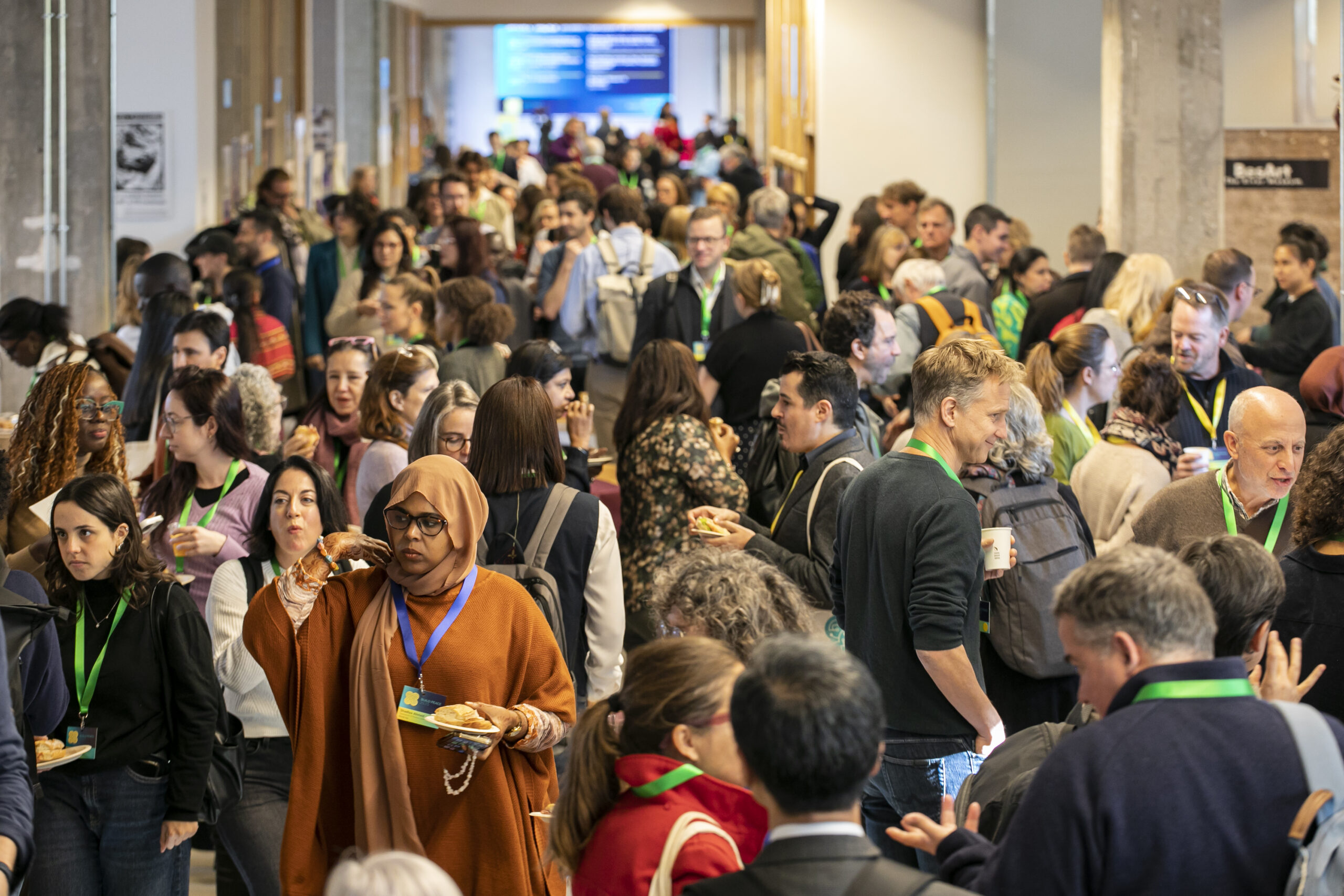
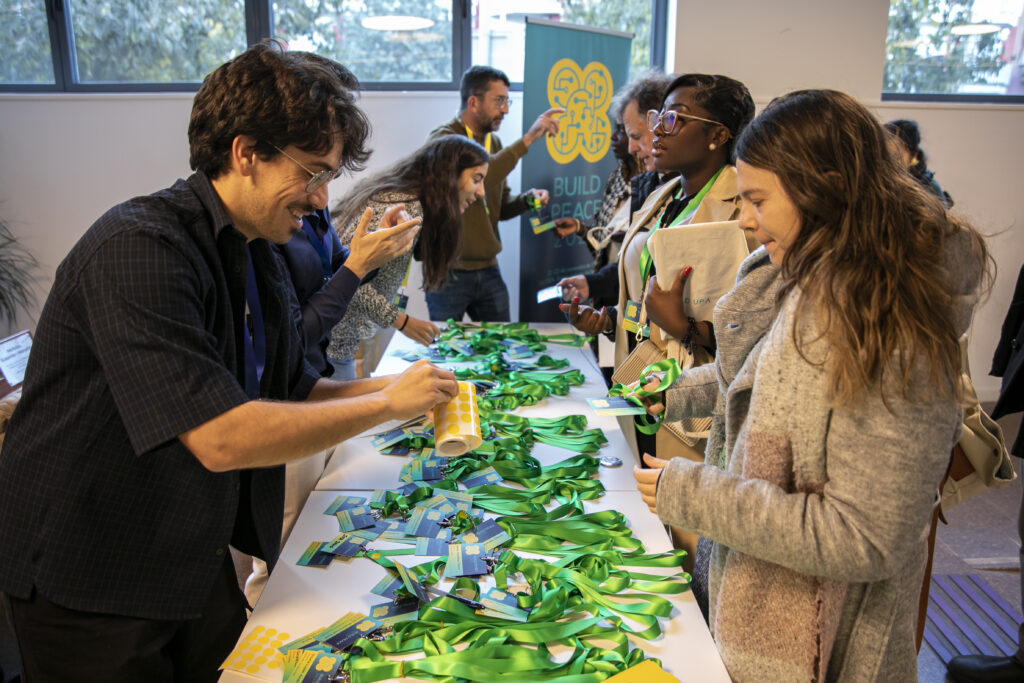
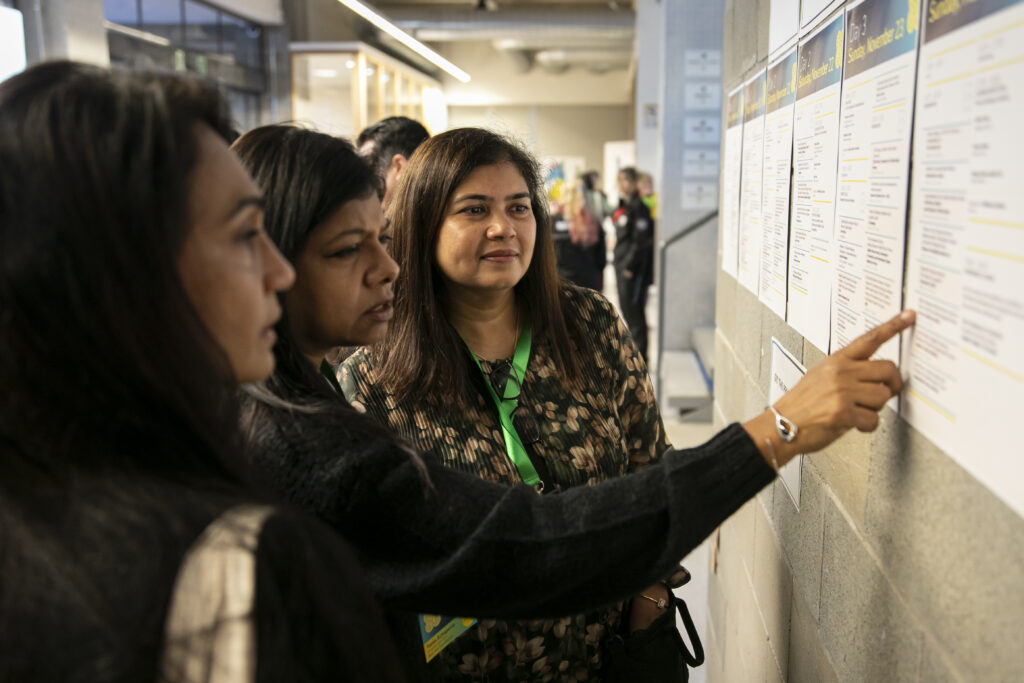
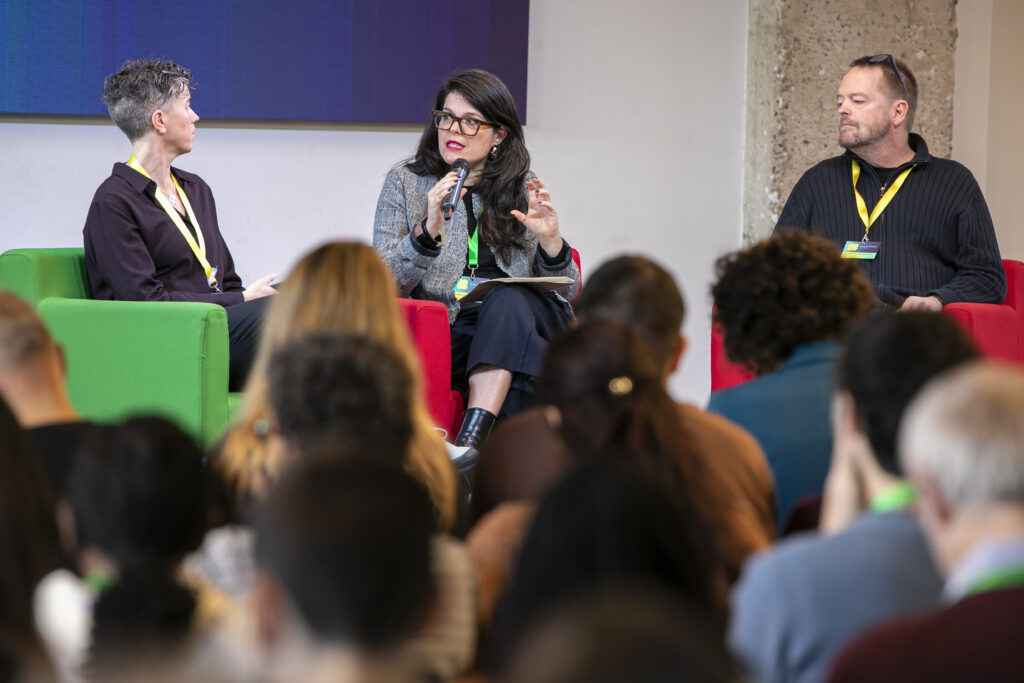
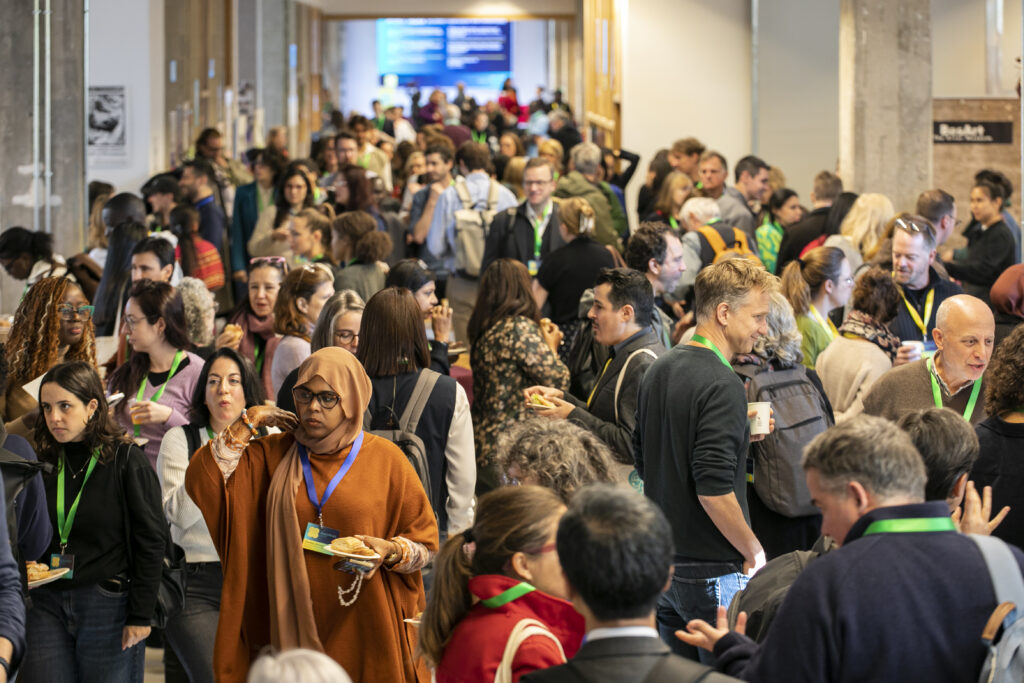
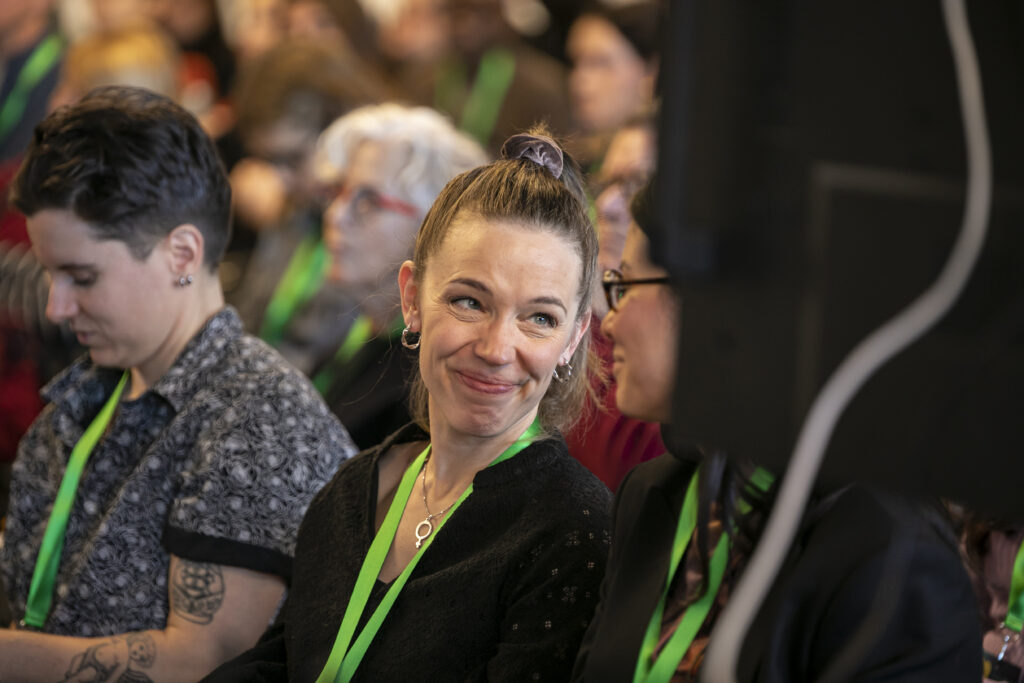
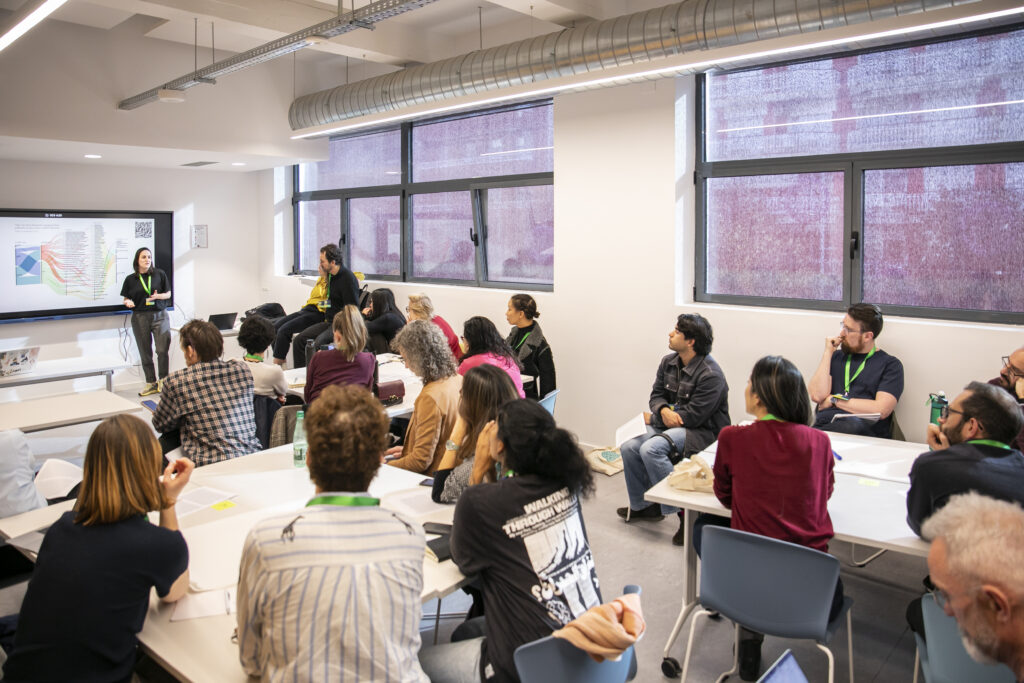
The international Build Peace 2025 conference, organised by ICIP and Build Up in Santa Coloma de Gramenet, brought together—from 21 to 23 November—peace activists, researchers, technologists and organisations from around the world with shared aims: fostering safer, more democratic and participatory digital spaces; countering hate speech and polarisation; rethinking how we narrate peace and security; and placing memory at the centre of peacebuilding processes.

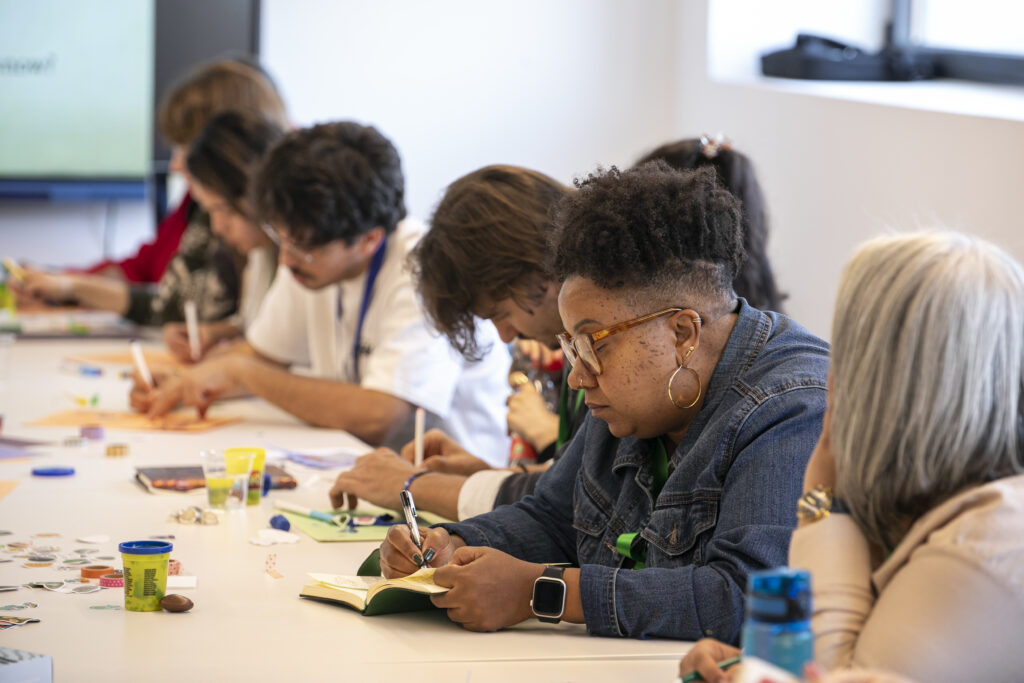
More than 300 participants visited La Ciba over the three days, taking part in workshops, debates and artistic performances.

Under the theme “Towards a Pluriverse of Peace”, the conference received support from the city councils of Santa Coloma and Barcelona, Catalunya Internacional and the Catalan Agency for Development Cooperation.

From polarisation to dialogue: protecting people online

On Friday, 21 November, the sessions focused on the challenges posed by rising disinformation, hate speech and polarisation across social media platforms. Discussions highlighted the need to develop more ethical, human-centred platforms and algorithms that avoid the dominant corporate logic.

Proposals included online hate-speech monitoring, pre-bunking tools to prevent disinformation, participatory-designed text classifiers and AI models incorporating social and peacebuilding perspectives. Participants also explored how technology can strengthen participatory democracy and enable healthier public dialogue.

From deterrence to nonviolence: shifting security narratives

On Saturday 22 November, the thematic focus turned to human and community security, questioning the militarised narratives that dominate public discourse.

Against a global backdrop marked, especially in Europe, by the war in Ukraine and the violence in Gaza, speakers discussed how technology can serve war but also peace. Presentations examined the use of surveillance technologies, particularly at borders and in movement control, which can violate human rights but may also become tools for peace if developed with safeguards and public participation.

From erasure to memory: reclaiming the past to build the future

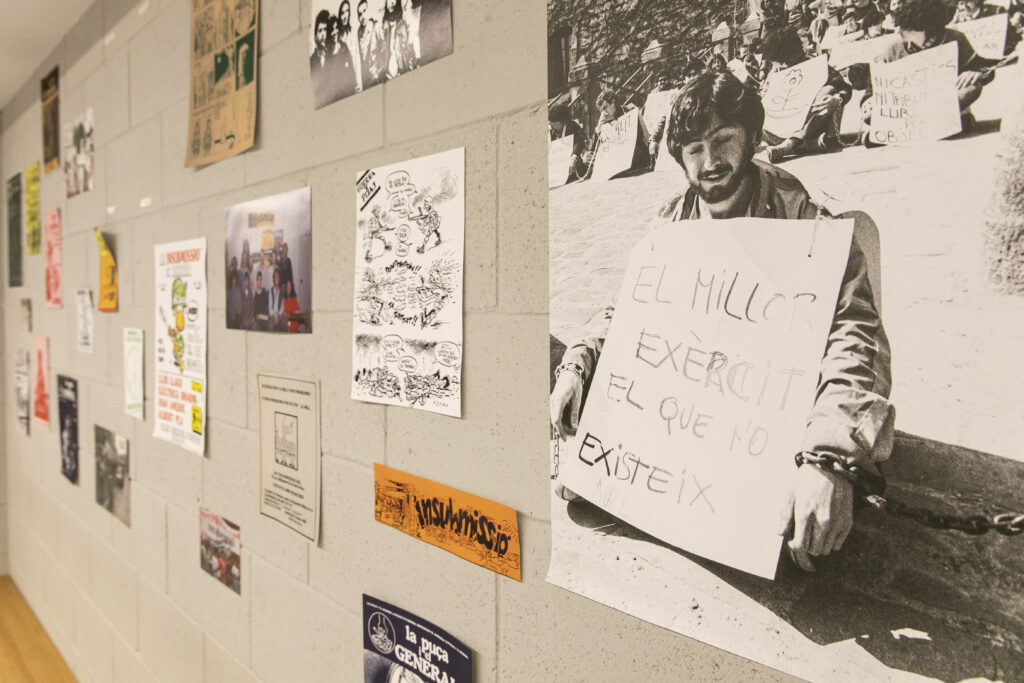
Sunday 23 November explored how societies deal with memory and forgetting in contexts of violence and authoritarianism, looking at concrete cases such as the Franco dictatorship and the Holocaust. Speakers warned of the risks of constructing single narratives or instrumentalising memory, and emphasised the role of listening and remembrance as forms of resistance that help repair collective trauma and foster reconciliation.

Discussions also highlighted the need for a feminist lens in peacebuilding: the voices and memories of women continue to be invisibilised, particularly in rural contexts, and the construction of diverse, plural narratives remains essential.

More than a conference

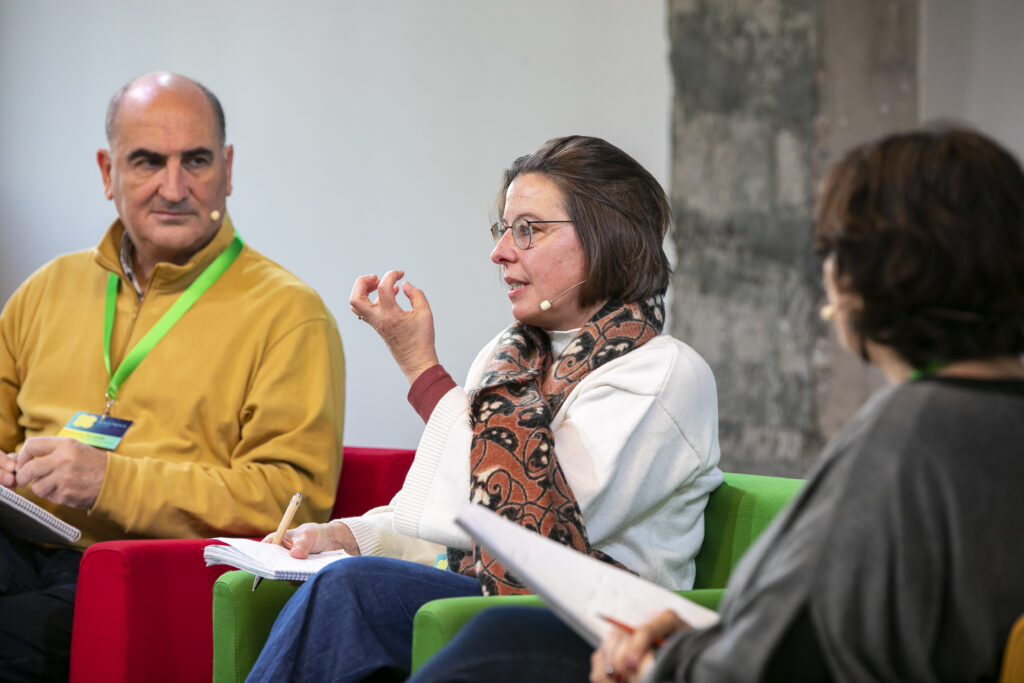
The 2025 edition reaffirmed that Build Peace is more than a conference: it is a community of people committed to a more just and peaceful society who meet each year to explore new tools and innovative methodologies for peacebuilding.

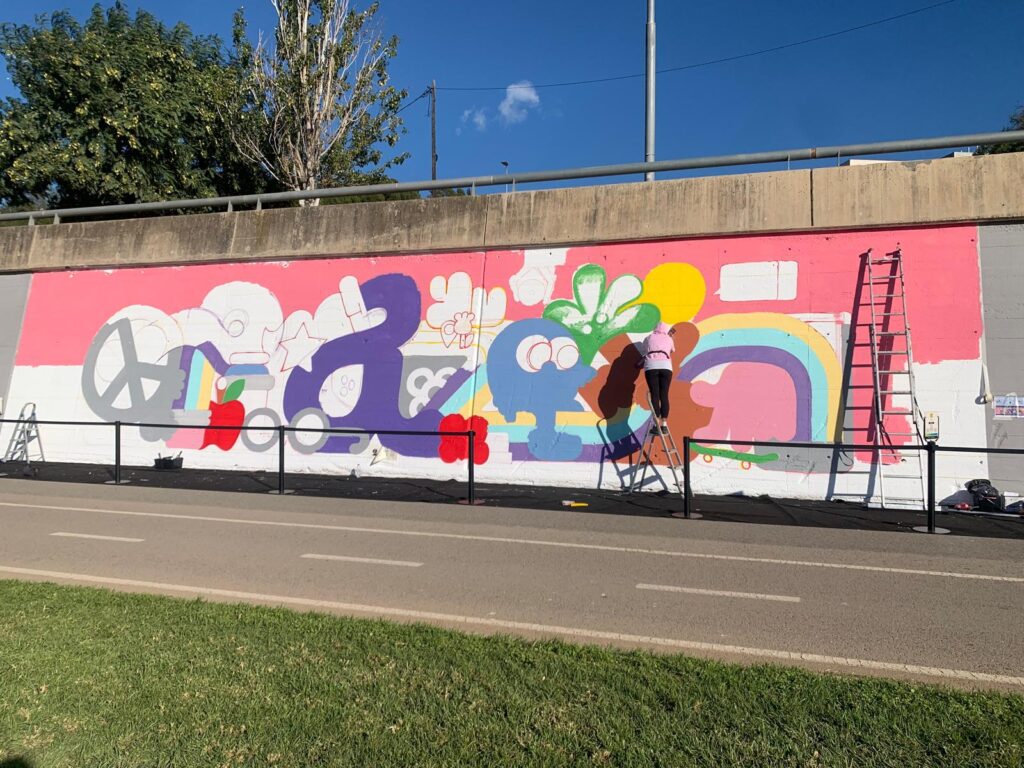
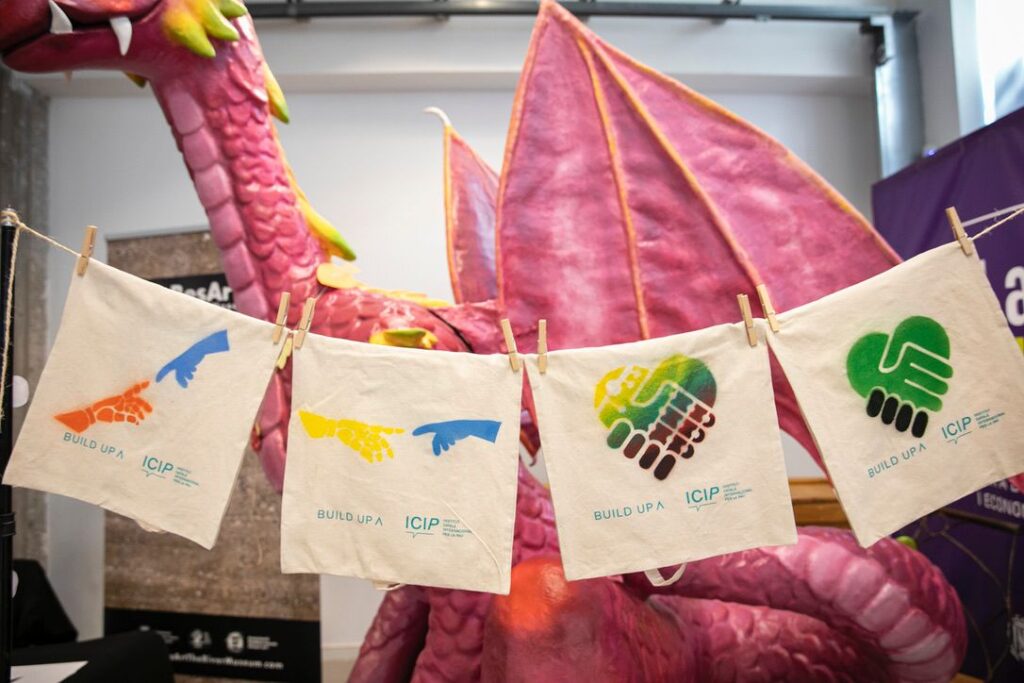
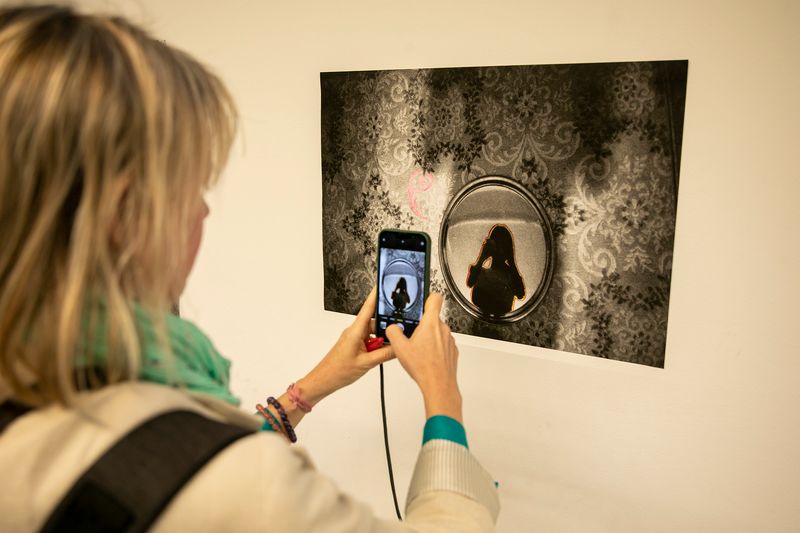
Alongside panels, project presentations and workshops, Build Peace 2025 featured several artistic proposals: from photographic exhibitions of local and international projects to a collaborative mural created along the Besòs riverbank by artist Yubia and coordinated by BesArt – The River Museum.
The conference also hosted its own radio project, Build Peace Radio, which broadcast the debates throughout the three days.

Next edition: Canada 2026

After three days of intense and creative exchange, Build Peace 2025 closed with the announcement of its next edition: the University of Waterloo in Canada will host the conference in 2026.

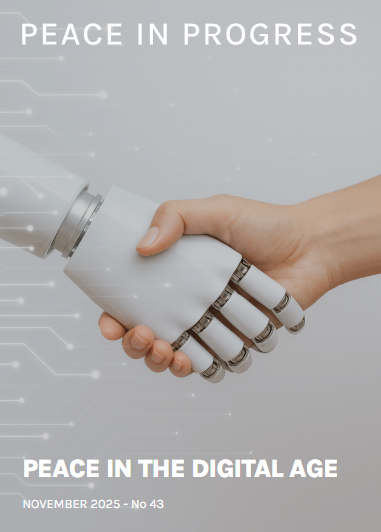
Coinciding with the conference, ICIP and Build Up launched a new special issue of the Peace in Progress magazine, co-edited by both organisations. Titled “Peace in the Digital Age”, the publication explores how digital technologies are reshaping conflict and peacebuilding. The magazine is available digitally in Catalan, Spanish and English.